
Get trending papers in your email inbox once a day!
Get trending papers in your email inbox!
Subscribe
NTIRE 2021 Challenge on Quality Enhancement of Compressed Video: Methods and Results
This paper reviews the first NTIRE challenge on quality enhancement of compressed video, with a focus on the proposed methods and results. In this challenge, the new Large-scale Diverse Video (LDV) dataset is employed. The challenge has three tracks. Tracks 1 and 2 aim at enhancing the videos compressed by HEVC at a fixed QP, while Track 3 is designed for enhancing the videos compressed by x265 at a fixed bit-rate. Besides, the quality enhancement of Tracks 1 and 3 targets at improving the fidelity (PSNR), and Track 2 targets at enhancing the perceptual quality. The three tracks totally attract 482 registrations. In the test phase, 12 teams, 8 teams and 11 teams submitted the final results of Tracks 1, 2 and 3, respectively. The proposed methods and solutions gauge the state-of-the-art of video quality enhancement. The homepage of the challenge: https://github.com/RenYang-home/NTIRE21_VEnh


MFQE 2.0: A New Approach for Multi-frame Quality Enhancement on Compressed Video
The past few years have witnessed great success in applying deep learning to enhance the quality of compressed image/video. The existing approaches mainly focus on enhancing the quality of a single frame, not considering the similarity between consecutive frames. Since heavy fluctuation exists across compressed video frames as investigated in this paper, frame similarity can be utilized for quality enhancement of low-quality frames given their neighboring high-quality frames. This task is Multi-Frame Quality Enhancement (MFQE). Accordingly, this paper proposes an MFQE approach for compressed video, as the first attempt in this direction. In our approach, we firstly develop a Bidirectional Long Short-Term Memory (BiLSTM) based detector to locate Peak Quality Frames (PQFs) in compressed video. Then, a novel Multi-Frame Convolutional Neural Network (MF-CNN) is designed to enhance the quality of compressed video, in which the non-PQF and its nearest two PQFs are the input. In MF-CNN, motion between the non-PQF and PQFs is compensated by a motion compensation subnet. Subsequently, a quality enhancement subnet fuses the non-PQF and compensated PQFs, and then reduces the compression artifacts of the non-PQF. Also, PQF quality is enhanced in the same way. Finally, experiments validate the effectiveness and generalization ability of our MFQE approach in advancing the state-of-the-art quality enhancement of compressed video. The code is available at https://github.com/RyanXingQL/MFQEv2.0.git.
NTIRE 2022 Challenge on Super-Resolution and Quality Enhancement of Compressed Video: Dataset, Methods and Results
This paper reviews the NTIRE 2022 Challenge on Super-Resolution and Quality Enhancement of Compressed Video. In this challenge, we proposed the LDV 2.0 dataset, which includes the LDV dataset (240 videos) and 95 additional videos. This challenge includes three tracks. Track 1 aims at enhancing the videos compressed by HEVC at a fixed QP. Track 2 and Track 3 target both the super-resolution and quality enhancement of HEVC compressed video. They require x2 and x4 super-resolution, respectively. The three tracks totally attract more than 600 registrations. In the test phase, 8 teams, 8 teams and 12 teams submitted the final results to Tracks 1, 2 and 3, respectively. The proposed methods and solutions gauge the state-of-the-art of super-resolution and quality enhancement of compressed video. The proposed LDV 2.0 dataset is available at https://github.com/RenYang-home/LDV_dataset. The homepage of this challenge (including open-sourced codes) is at https://github.com/RenYang-home/NTIRE22_VEnh_SR.
Reversing the Damage: A QP-Aware Transformer-Diffusion Approach for 8K Video Restoration under Codec Compression
In this paper, we introduce DiQP; a novel Transformer-Diffusion model for restoring 8K video quality degraded by codec compression. To the best of our knowledge, our model is the first to consider restoring the artifacts introduced by various codecs (AV1, HEVC) by Denoising Diffusion without considering additional noise. This approach allows us to model the complex, non-Gaussian nature of compression artifacts, effectively learning to reverse the degradation. Our architecture combines the power of Transformers to capture long-range dependencies with an enhanced windowed mechanism that preserves spatiotemporal context within groups of pixels across frames. To further enhance restoration, the model incorporates auxiliary "Look Ahead" and "Look Around" modules, providing both future and surrounding frame information to aid in reconstructing fine details and enhancing overall visual quality. Extensive experiments on different datasets demonstrate that our model outperforms state-of-the-art methods, particularly for high-resolution videos such as 4K and 8K, showcasing its effectiveness in restoring perceptually pleasing videos from highly compressed sources.

Early Exit or Not: Resource-Efficient Blind Quality Enhancement for Compressed Images
Lossy image compression is pervasively conducted to save communication bandwidth, resulting in undesirable compression artifacts. Recently, extensive approaches have been proposed to reduce image compression artifacts at the decoder side; however, they require a series of architecture-identical models to process images with different quality, which are inefficient and resource-consuming. Besides, it is common in practice that compressed images are with unknown quality and it is intractable for existing approaches to select a suitable model for blind quality enhancement. In this paper, we propose a resource-efficient blind quality enhancement (RBQE) approach for compressed images. Specifically, our approach blindly and progressively enhances the quality of compressed images through a dynamic deep neural network (DNN), in which an early-exit strategy is embedded. Then, our approach can automatically decide to terminate or continue enhancement according to the assessed quality of enhanced images. Consequently, slight artifacts can be removed in a simpler and faster process, while the severe artifacts can be further removed in a more elaborate process. Extensive experiments demonstrate that our RBQE approach achieves state-of-the-art performance in terms of both blind quality enhancement and resource efficiency. The code is available at https://github.com/RyanXingQL/RBQE.
Swin2SR: SwinV2 Transformer for Compressed Image Super-Resolution and Restoration
Compression plays an important role on the efficient transmission and storage of images and videos through band-limited systems such as streaming services, virtual reality or videogames. However, compression unavoidably leads to artifacts and the loss of the original information, which may severely degrade the visual quality. For these reasons, quality enhancement of compressed images has become a popular research topic. While most state-of-the-art image restoration methods are based on convolutional neural networks, other transformers-based methods such as SwinIR, show impressive performance on these tasks. In this paper, we explore the novel Swin Transformer V2, to improve SwinIR for image super-resolution, and in particular, the compressed input scenario. Using this method we can tackle the major issues in training transformer vision models, such as training instability, resolution gaps between pre-training and fine-tuning, and hunger on data. We conduct experiments on three representative tasks: JPEG compression artifacts removal, image super-resolution (classical and lightweight), and compressed image super-resolution. Experimental results demonstrate that our method, Swin2SR, can improve the training convergence and performance of SwinIR, and is a top-5 solution at the "AIM 2022 Challenge on Super-Resolution of Compressed Image and Video".


Multi-rate adaptive transform coding for video compression
Contemporary lossy image and video coding standards rely on transform coding, the process through which pixels are mapped to an alternative representation to facilitate efficient data compression. Despite impressive performance of end-to-end optimized compression with deep neural networks, the high computational and space demands of these models has prevented them from superseding the relatively simple transform coding found in conventional video codecs. In this study, we propose learned transforms and entropy coding that may either serve as (non)linear drop-in replacements, or enhancements for linear transforms in existing codecs. These transforms can be multi-rate, allowing a single model to operate along the entire rate-distortion curve. To demonstrate the utility of our framework, we augmented the DCT with learned quantization matrices and adaptive entropy coding to compress intra-frame AV1 block prediction residuals. We report substantial BD-rate and perceptual quality improvements over more complex nonlinear transforms at a fraction of the computational cost.

Scene Matters: Model-based Deep Video Compression
Video compression has always been a popular research area, where many traditional and deep video compression methods have been proposed. These methods typically rely on signal prediction theory to enhance compression performance by designing high efficient intra and inter prediction strategies and compressing video frames one by one. In this paper, we propose a novel model-based video compression (MVC) framework that regards scenes as the fundamental units for video sequences. Our proposed MVC directly models the intensity variation of the entire video sequence in one scene, seeking non-redundant representations instead of reducing redundancy through spatio-temporal predictions. To achieve this, we employ implicit neural representation as our basic modeling architecture. To improve the efficiency of video modeling, we first propose context-related spatial positional embedding and frequency domain supervision in spatial context enhancement. For temporal correlation capturing, we design the scene flow constrain mechanism and temporal contrastive loss. Extensive experimental results demonstrate that our method achieves up to a 20\% bitrate reduction compared to the latest video coding standard H.266 and is more efficient in decoding than existing video coding strategies.
Shortcut-V2V: Compression Framework for Video-to-Video Translation based on Temporal Redundancy Reduction
Video-to-video translation aims to generate video frames of a target domain from an input video. Despite its usefulness, the existing networks require enormous computations, necessitating their model compression for wide use. While there exist compression methods that improve computational efficiency in various image/video tasks, a generally-applicable compression method for video-to-video translation has not been studied much. In response, we present Shortcut-V2V, a general-purpose compression framework for video-to-video translation. Shourcut-V2V avoids full inference for every neighboring video frame by approximating the intermediate features of a current frame from those of the previous frame. Moreover, in our framework, a newly-proposed block called AdaBD adaptively blends and deforms features of neighboring frames, which makes more accurate predictions of the intermediate features possible. We conduct quantitative and qualitative evaluations using well-known video-to-video translation models on various tasks to demonstrate the general applicability of our framework. The results show that Shourcut-V2V achieves comparable performance compared to the original video-to-video translation model while saving 3.2-5.7x computational cost and 7.8-44x memory at test time.

Low-Bitrate Video Compression through Semantic-Conditioned Diffusion
Traditional video codecs optimized for pixel fidelity collapse at ultra-low bitrates and produce severe artifacts. This failure arises from a fundamental misalignment between pixel accuracy and human perception. We propose a semantic video compression framework named DiSCo that transmits only the most meaningful information while relying on generative priors for detail synthesis. The source video is decomposed into three compact modalities: a textual description, a spatiotemporally degraded video, and optional sketches or poses that respectively capture semantic, appearance, and motion cues. A conditional video diffusion model then reconstructs high-quality, temporally coherent videos from these compact representations. Temporal forward filling, token interleaving, and modality-specific codecs are proposed to improve multimodal generation and modality compactness. Experiments show that our method outperforms baseline semantic and traditional codecs by 2-10X on perceptual metrics at low bitrates.
Perceptual Quality Improvement in Videoconferencing using Keyframes-based GAN
In the latest years, videoconferencing has taken a fundamental role in interpersonal relations, both for personal and business purposes. Lossy video compression algorithms are the enabling technology for videoconferencing, as they reduce the bandwidth required for real-time video streaming. However, lossy video compression decreases the perceived visual quality. Thus, many techniques for reducing compression artifacts and improving video visual quality have been proposed in recent years. In this work, we propose a novel GAN-based method for compression artifacts reduction in videoconferencing. Given that, in this context, the speaker is typically in front of the camera and remains the same for the entire duration of the transmission, we can maintain a set of reference keyframes of the person from the higher-quality I-frames that are transmitted within the video stream and exploit them to guide the visual quality improvement; a novel aspect of this approach is the update policy that maintains and updates a compact and effective set of reference keyframes. First, we extract multi-scale features from the compressed and reference frames. Then, our architecture combines these features in a progressive manner according to facial landmarks. This allows the restoration of the high-frequency details lost after the video compression. Experiments show that the proposed approach improves visual quality and generates photo-realistic results even with high compression rates. Code and pre-trained networks are publicly available at https://github.com/LorenzoAgnolucci/Keyframes-GAN.

High-Perceptual Quality JPEG Decoding via Posterior Sampling
JPEG is arguably the most popular image coding format, achieving high compression ratios via lossy quantization that may create visual artifacts degradation. Numerous attempts to remove these artifacts were conceived over the years, and common to most of these is the use of deterministic post-processing algorithms that optimize some distortion measure (e.g., PSNR, SSIM). In this paper we propose a different paradigm for JPEG artifact correction: Our method is stochastic, and the objective we target is high perceptual quality -- striving to obtain sharp, detailed and visually pleasing reconstructed images, while being consistent with the compressed input. These goals are achieved by training a stochastic conditional generator (conditioned on the compressed input), accompanied by a theoretically well-founded loss term, resulting in a sampler from the posterior distribution. Our solution offers a diverse set of plausible and fast reconstructions for a given input with perfect consistency. We demonstrate our scheme's unique properties and its superiority to a variety of alternative methods on the FFHQ and ImageNet datasets.


Accurate and Fast Compressed Video Captioning
Existing video captioning approaches typically require to first sample video frames from a decoded video and then conduct a subsequent process (e.g., feature extraction and/or captioning model learning). In this pipeline, manual frame sampling may ignore key information in videos and thus degrade performance. Additionally, redundant information in the sampled frames may result in low efficiency in the inference of video captioning. Addressing this, we study video captioning from a different perspective in compressed domain, which brings multi-fold advantages over the existing pipeline: 1) Compared to raw images from the decoded video, the compressed video, consisting of I-frames, motion vectors and residuals, is highly distinguishable, which allows us to leverage the entire video for learning without manual sampling through a specialized model design; 2) The captioning model is more efficient in inference as smaller and less redundant information is processed. We propose a simple yet effective end-to-end transformer in the compressed domain for video captioning that enables learning from the compressed video for captioning. We show that even with a simple design, our method can achieve state-of-the-art performance on different benchmarks while running almost 2x faster than existing approaches. Code is available at https://github.com/acherstyx/CoCap.
Generative Neural Video Compression via Video Diffusion Prior
We present GNVC-VD, the first DiT-based generative neural video compression framework built upon an advanced video generation foundation model, where spatio-temporal latent compression and sequence-level generative refinement are unified within a single codec. Existing perceptual codecs primarily rely on pre-trained image generative priors to restore high-frequency details, but their frame-wise nature lacks temporal modeling and inevitably leads to perceptual flickering. To address this, GNVC-VD introduces a unified flow-matching latent refinement module that leverages a video diffusion transformer to jointly enhance intra- and inter-frame latents through sequence-level denoising, ensuring consistent spatio-temporal details. Instead of denoising from pure Gaussian noise as in video generation, GNVC-VD initializes refinement from decoded spatio-temporal latents and learns a correction term that adapts the diffusion prior to compression-induced degradation. A conditioning adaptor further injects compression-aware cues into intermediate DiT layers, enabling effective artifact removal while maintaining temporal coherence under extreme bitrate constraints. Extensive experiments show that GNVC-VD surpasses both traditional and learned codecs in perceptual quality and significantly reduces the flickering artifacts that persist in prior generative approaches, even below 0.01 bpp, highlighting the promise of integrating video-native generative priors into neural codecs for next-generation perceptual video compression.

Enhance-A-Video: Better Generated Video for Free
DiT-based video generation has achieved remarkable results, but research into enhancing existing models remains relatively unexplored. In this work, we introduce a training-free approach to enhance the coherence and quality of DiT-based generated videos, named Enhance-A-Video. The core idea is enhancing the cross-frame correlations based on non-diagonal temporal attention distributions. Thanks to its simple design, our approach can be easily applied to most DiT-based video generation frameworks without any retraining or fine-tuning. Across various DiT-based video generation models, our approach demonstrates promising improvements in both temporal consistency and visual quality. We hope this research can inspire future explorations in video generation enhancement.



Generative Image Coding with Diffusion Prior
As generative technologies advance, visual content has evolved into a complex mix of natural and AI-generated images, driving the need for more efficient coding techniques that prioritize perceptual quality. Traditional codecs and learned methods struggle to maintain subjective quality at high compression ratios, while existing generative approaches face challenges in visual fidelity and generalization. To this end, we propose a novel generative coding framework leveraging diffusion priors to enhance compression performance at low bitrates. Our approach employs a pre-optimized encoder to generate generalized compressed-domain representations, integrated with the pretrained model's internal features via a lightweight adapter and an attentive fusion module. This framework effectively leverages existing pretrained diffusion models and enables efficient adaptation to different pretrained models for new requirements with minimal retraining costs. We also introduce a distribution renormalization method to further enhance reconstruction fidelity. Extensive experiments show that our method (1) outperforms existing methods in visual fidelity across low bitrates, (2) improves compression performance by up to 79% over H.266/VVC, and (3) offers an efficient solution for AI-generated content while being adaptable to broader content types.
Towards image compression with perfect realism at ultra-low bitrates
Image codecs are typically optimized to trade-off bitrate \vs distortion metrics. At low bitrates, this leads to compression artefacts which are easily perceptible, even when training with perceptual or adversarial losses. To improve image quality and remove dependency on the bitrate, we propose to decode with iterative diffusion models. We condition the decoding process on a vector-quantized image representation, as well as a global image description to provide additional context. We dub our model PerCo for 'perceptual compression', and compare it to state-of-the-art codecs at rates from 0.1 down to 0.003 bits per pixel. The latter rate is more than an order of magnitude smaller than those considered in most prior work, compressing a 512x768 Kodak image with less than 153 bytes. Despite this ultra-low bitrate, our approach maintains the ability to reconstruct realistic images. We find that our model leads to reconstructions with state-of-the-art visual quality as measured by FID and KID. As predicted by rate-distortion-perception theory, visual quality is less dependent on the bitrate than previous methods.

PICD: Versatile Perceptual Image Compression with Diffusion Rendering
Recently, perceptual image compression has achieved significant advancements, delivering high visual quality at low bitrates for natural images. However, for screen content, existing methods often produce noticeable artifacts when compressing text. To tackle this challenge, we propose versatile perceptual screen image compression with diffusion rendering (PICD), a codec that works well for both screen and natural images. More specifically, we propose a compression framework that encodes the text and image separately, and renders them into one image using diffusion model. For this diffusion rendering, we integrate conditional information into diffusion models at three distinct levels: 1). Domain level: We fine-tune the base diffusion model using text content prompts with screen content. 2). Adaptor level: We develop an efficient adaptor to control the diffusion model using compressed image and text as input. 3). Instance level: We apply instance-wise guidance to further enhance the decoding process. Empirically, our PICD surpasses existing perceptual codecs in terms of both text accuracy and perceptual quality. Additionally, without text conditions, our approach serves effectively as a perceptual codec for natural images.
Raw-JPEG Adapter: Efficient Raw Image Compression with JPEG
Digital cameras digitize scene light into linear raw representations, which the image signal processor (ISP) converts into display-ready outputs. While raw data preserves full sensor information--valuable for editing and vision tasks--formats such as Digital Negative (DNG) require large storage, making them impractical in constrained scenarios. In contrast, JPEG is a widely supported format, offering high compression efficiency and broad compatibility, but it is not well-suited for raw storage. This paper presents RawJPEG Adapter, a lightweight, learnable, and invertible preprocessing pipeline that adapts raw images for standard JPEG compression. Our method applies spatial and optional frequency-domain transforms, with compact parameters stored in the JPEG comment field, enabling accurate raw reconstruction. Experiments across multiple datasets show that our method achieves higher fidelity than direct JPEG storage, supports other codecs, and provides a favorable trade-off between compression ratio and reconstruction accuracy.

LTX-Video: Realtime Video Latent Diffusion
We introduce LTX-Video, a transformer-based latent diffusion model that adopts a holistic approach to video generation by seamlessly integrating the responsibilities of the Video-VAE and the denoising transformer. Unlike existing methods, which treat these components as independent, LTX-Video aims to optimize their interaction for improved efficiency and quality. At its core is a carefully designed Video-VAE that achieves a high compression ratio of 1:192, with spatiotemporal downscaling of 32 x 32 x 8 pixels per token, enabled by relocating the patchifying operation from the transformer's input to the VAE's input. Operating in this highly compressed latent space enables the transformer to efficiently perform full spatiotemporal self-attention, which is essential for generating high-resolution videos with temporal consistency. However, the high compression inherently limits the representation of fine details. To address this, our VAE decoder is tasked with both latent-to-pixel conversion and the final denoising step, producing the clean result directly in pixel space. This approach preserves the ability to generate fine details without incurring the runtime cost of a separate upsampling module. Our model supports diverse use cases, including text-to-video and image-to-video generation, with both capabilities trained simultaneously. It achieves faster-than-real-time generation, producing 5 seconds of 24 fps video at 768x512 resolution in just 2 seconds on an Nvidia H100 GPU, outperforming all existing models of similar scale. The source code and pre-trained models are publicly available, setting a new benchmark for accessible and scalable video generation.





Noise Calibration: Plug-and-play Content-Preserving Video Enhancement using Pre-trained Video Diffusion Models
In order to improve the quality of synthesized videos, currently, one predominant method involves retraining an expert diffusion model and then implementing a noising-denoising process for refinement. Despite the significant training costs, maintaining consistency of content between the original and enhanced videos remains a major challenge. To tackle this challenge, we propose a novel formulation that considers both visual quality and consistency of content. Consistency of content is ensured by a proposed loss function that maintains the structure of the input, while visual quality is improved by utilizing the denoising process of pretrained diffusion models. To address the formulated optimization problem, we have developed a plug-and-play noise optimization strategy, referred to as Noise Calibration. By refining the initial random noise through a few iterations, the content of original video can be largely preserved, and the enhancement effect demonstrates a notable improvement. Extensive experiments have demonstrated the effectiveness of the proposed method.

Extreme Image Compression using Fine-tuned VQGANs
Recent advances in generative compression methods have demonstrated remarkable progress in enhancing the perceptual quality of compressed data, especially in scenarios with low bitrates. However, their efficacy and applicability to achieve extreme compression ratios (<0.05 bpp) remain constrained. In this work, we propose a simple yet effective coding framework by introducing vector quantization (VQ)--based generative models into the image compression domain. The main insight is that the codebook learned by the VQGAN model yields a strong expressive capacity, facilitating efficient compression of continuous information in the latent space while maintaining reconstruction quality. Specifically, an image can be represented as VQ-indices by finding the nearest codeword, which can be encoded using lossless compression methods into bitstreams. We propose clustering a pre-trained large-scale codebook into smaller codebooks through the K-means algorithm, yielding variable bitrates and different levels of reconstruction quality within the coding framework. Furthermore, we introduce a transformer to predict lost indices and restore images in unstable environments. Extensive qualitative and quantitative experiments on various benchmark datasets demonstrate that the proposed framework outperforms state-of-the-art codecs in terms of perceptual quality-oriented metrics and human perception at extremely low bitrates (le 0.04 bpp). Remarkably, even with the loss of up to 20% of indices, the images can be effectively restored with minimal perceptual loss.

Learning Data-Driven Vector-Quantized Degradation Model for Animation Video Super-Resolution
Existing real-world video super-resolution (VSR) methods focus on designing a general degradation pipeline for open-domain videos while ignoring data intrinsic characteristics which strongly limit their performance when applying to some specific domains (e.g. animation videos). In this paper, we thoroughly explore the characteristics of animation videos and leverage the rich priors in real-world animation data for a more practical animation VSR model. In particular, we propose a multi-scale Vector-Quantized Degradation model for animation video Super-Resolution (VQD-SR) to decompose the local details from global structures and transfer the degradation priors in real-world animation videos to a learned vector-quantized codebook for degradation modeling. A rich-content Real Animation Low-quality (RAL) video dataset is collected for extracting the priors. We further propose a data enhancement strategy for high-resolution (HR) training videos based on our observation that existing HR videos are mostly collected from the Web which contains conspicuous compression artifacts. The proposed strategy is valid to lift the upper bound of animation VSR performance, regardless of the specific VSR model. Experimental results demonstrate the superiority of the proposed VQD-SR over state-of-the-art methods, through extensive quantitative and qualitative evaluations of the latest animation video super-resolution benchmark.


Learned HDR Image Compression for Perceptually Optimal Storage and Display
High dynamic range (HDR) capture and display have seen significant growth in popularity driven by the advancements in technology and increasing consumer demand for superior image quality. As a result, HDR image compression is crucial to fully realize the benefits of HDR imaging without suffering from large file sizes and inefficient data handling. Conventionally, this is achieved by introducing a residual/gain map as additional metadata to bridge the gap between HDR and low dynamic range (LDR) images, making the former compatible with LDR image codecs but offering suboptimal rate-distortion performance. In this work, we initiate efforts towards end-to-end optimized HDR image compression for perceptually optimal storage and display. Specifically, we learn to compress an HDR image into two bitstreams: one for generating an LDR image to ensure compatibility with legacy LDR displays, and another as side information to aid HDR image reconstruction from the output LDR image. To measure the perceptual quality of output HDR and LDR images, we use two recently proposed image distortion metrics, both validated against human perceptual data of image quality and with reference to the uncompressed HDR image. Through end-to-end optimization for rate-distortion performance, our method dramatically improves HDR and LDR image quality at all bit rates.
LEHA-CVQAD: Dataset To Enable Generalized Video Quality Assessment of Compression Artifacts
We propose the LEHA-CVQAD (Large-scale Enriched Human-Annotated Compressed Video Quality Assessment) dataset, which comprises 6,240 clips for compression-oriented video quality assessment. 59 source videos are encoded with 186 codec-preset variants, 1.8M pairwise, and 1.5k MOS ratings are fused into a single quality scale; part of the videos remains hidden for blind evaluation. We also propose Rate-Distortion Alignment Error (RDAE), a novel evaluation metric that quantifies how well VQA models preserve bitrate-quality ordering, directly supporting codec parameter tuning. Testing IQA/VQA methods reveals that popular VQA metrics exhibit high RDAE and lower correlations, underscoring the dataset challenges and utility. The open part and the results of LEHA-CVQAD are available at https://aleksandrgushchin.github.io/lcvqad/

Large Motion Video Autoencoding with Cross-modal Video VAE
Learning a robust video Variational Autoencoder (VAE) is essential for reducing video redundancy and facilitating efficient video generation. Directly applying image VAEs to individual frames in isolation can result in temporal inconsistencies and suboptimal compression rates due to a lack of temporal compression. Existing Video VAEs have begun to address temporal compression; however, they often suffer from inadequate reconstruction performance. In this paper, we present a novel and powerful video autoencoder capable of high-fidelity video encoding. First, we observe that entangling spatial and temporal compression by merely extending the image VAE to a 3D VAE can introduce motion blur and detail distortion artifacts. Thus, we propose temporal-aware spatial compression to better encode and decode the spatial information. Additionally, we integrate a lightweight motion compression model for further temporal compression. Second, we propose to leverage the textual information inherent in text-to-video datasets and incorporate text guidance into our model. This significantly enhances reconstruction quality, particularly in terms of detail preservation and temporal stability. Third, we further improve the versatility of our model through joint training on both images and videos, which not only enhances reconstruction quality but also enables the model to perform both image and video autoencoding. Extensive evaluations against strong recent baselines demonstrate the superior performance of our method. The project website can be found at~https://yzxing87.github.io/vae/{https://yzxing87.github.io/vae/}.


When Video Coding Meets Multimodal Large Language Models: A Unified Paradigm for Video Coding
Existing codecs are designed to eliminate intrinsic redundancies to create a compact representation for compression. However, strong external priors from Multimodal Large Language Models (MLLMs) have not been explicitly explored in video compression. Herein, we introduce a unified paradigm for Cross-Modality Video Coding (CMVC), which is a pioneering approach to explore multimodality representation and video generative models in video coding. Specifically, on the encoder side, we disentangle a video into spatial content and motion components, which are subsequently transformed into distinct modalities to achieve very compact representation by leveraging MLLMs. During decoding, previously encoded components and video generation models are leveraged to create multiple encoding-decoding modes that optimize video reconstruction quality for specific decoding requirements, including Text-Text-to-Video (TT2V) mode to ensure high-quality semantic information and Image-Text-to-Video (IT2V) mode to achieve superb perceptual consistency. In addition, we propose an efficient frame interpolation model for IT2V mode via Low-Rank Adaption (LoRA) tuning to guarantee perceptual quality, which allows the generated motion cues to behave smoothly. Experiments on benchmarks indicate that TT2V achieves effective semantic reconstruction, while IT2V exhibits competitive perceptual consistency. These results highlight potential directions for future research in video coding.
Neural Image Compression Using Masked Sparse Visual Representation
We study neural image compression based on the Sparse Visual Representation (SVR), where images are embedded into a discrete latent space spanned by learned visual codebooks. By sharing codebooks with the decoder, the encoder transfers integer codeword indices that are efficient and cross-platform robust, and the decoder retrieves the embedded latent feature using the indices for reconstruction. Previous SVR-based compression lacks effective mechanism for rate-distortion tradeoffs, where one can only pursue either high reconstruction quality or low transmission bitrate. We propose a Masked Adaptive Codebook learning (M-AdaCode) method that applies masks to the latent feature subspace to balance bitrate and reconstruction quality. A set of semantic-class-dependent basis codebooks are learned, which are weighted combined to generate a rich latent feature for high-quality reconstruction. The combining weights are adaptively derived from each input image, providing fidelity information with additional transmission costs. By masking out unimportant weights in the encoder and recovering them in the decoder, we can trade off reconstruction quality for transmission bits, and the masking rate controls the balance between bitrate and distortion. Experiments over the standard JPEG-AI dataset demonstrate the effectiveness of our M-AdaCode approach.
D-CoDe: Scaling Image-Pretrained VLMs to Video via Dynamic Compression and Question Decomposition
Video large language models (Vid-LLMs), which excel in diverse video-language tasks, can be effectively constructed by adapting image-pretrained vision-language models (VLMs). However, this adaptation remains challenging, as it requires processing dense and temporally extended visual inputs that exceed the capacity of image-based models. This paper identifies the perception bottleneck and token overload as key challenges in extending image-based VLMs to the video domain. To address these issues, we propose D-CoDe, a training-free adaptation framework that incorporates dynamic compression and question decomposition. Specifically, dynamic compression alleviates the perception bottleneck through adaptive selection of representative frames and content-aware aggregation of spatial tokens, thereby reducing redundancy while preserving informative content. In parallel, question decomposition mitigates token overload by reformulating the original query into sub-questions, guiding the model to focus on distinct aspects of the video and enabling more comprehensive understanding. Experiments demonstrate that D-CoDe effectively improves video understanding across various benchmarks. Furthermore, strong performance on the challenging long-video benchmark highlights the potential of D-CoDe in handling complex video-language tasks. Code is available at https://github.com/hukcc/D-CoDe.
NIRVANA: Neural Implicit Representations of Videos with Adaptive Networks and Autoregressive Patch-wise Modeling
Implicit Neural Representations (INR) have recently shown to be powerful tool for high-quality video compression. However, existing works are limiting as they do not explicitly exploit the temporal redundancy in videos, leading to a long encoding time. Additionally, these methods have fixed architectures which do not scale to longer videos or higher resolutions. To address these issues, we propose NIRVANA, which treats videos as groups of frames and fits separate networks to each group performing patch-wise prediction. This design shares computation within each group, in the spatial and temporal dimensions, resulting in reduced encoding time of the video. The video representation is modeled autoregressively, with networks fit on a current group initialized using weights from the previous group's model. To further enhance efficiency, we perform quantization of the network parameters during training, requiring no post-hoc pruning or quantization. When compared with previous works on the benchmark UVG dataset, NIRVANA improves encoding quality from 37.36 to 37.70 (in terms of PSNR) and the encoding speed by 12X, while maintaining the same compression rate. In contrast to prior video INR works which struggle with larger resolution and longer videos, we show that our algorithm is highly flexible and scales naturally due to its patch-wise and autoregressive designs. Moreover, our method achieves variable bitrate compression by adapting to videos with varying inter-frame motion. NIRVANA achieves 6X decoding speed and scales well with more GPUs, making it practical for various deployment scenarios.

VCISR: Blind Single Image Super-Resolution with Video Compression Synthetic Data
In the blind single image super-resolution (SISR) task, existing works have been successful in restoring image-level unknown degradations. However, when a single video frame becomes the input, these works usually fail to address degradations caused by video compression, such as mosquito noise, ringing, blockiness, and staircase noise. In this work, we for the first time, present a video compression-based degradation model to synthesize low-resolution image data in the blind SISR task. Our proposed image synthesizing method is widely applicable to existing image datasets, so that a single degraded image can contain distortions caused by the lossy video compression algorithms. This overcomes the leak of feature diversity in video data and thus retains the training efficiency. By introducing video coding artifacts to SISR degradation models, neural networks can super-resolve images with the ability to restore video compression degradations, and achieve better results on restoring generic distortions caused by image compression as well. Our proposed approach achieves superior performance in SOTA no-reference Image Quality Assessment, and shows better visual quality on various datasets. In addition, we evaluate the SISR neural network trained with our degradation model on video super-resolution (VSR) datasets. Compared to architectures specifically designed for the VSR purpose, our method exhibits similar or better performance, evidencing that the presented strategy on infusing video-based degradation is generalizable to address more complicated compression artifacts even without temporal cues.

Boosting Neural Representations for Videos with a Conditional Decoder
Implicit neural representations (INRs) have emerged as a promising approach for video storage and processing, showing remarkable versatility across various video tasks. However, existing methods often fail to fully leverage their representation capabilities, primarily due to inadequate alignment of intermediate features during target frame decoding. This paper introduces a universal boosting framework for current implicit video representation approaches. Specifically, we utilize a conditional decoder with a temporal-aware affine transform module, which uses the frame index as a prior condition to effectively align intermediate features with target frames. Besides, we introduce a sinusoidal NeRV-like block to generate diverse intermediate features and achieve a more balanced parameter distribution, thereby enhancing the model's capacity. With a high-frequency information-preserving reconstruction loss, our approach successfully boosts multiple baseline INRs in the reconstruction quality and convergence speed for video regression, and exhibits superior inpainting and interpolation results. Further, we integrate a consistent entropy minimization technique and develop video codecs based on these boosted INRs. Experiments on the UVG dataset confirm that our enhanced codecs significantly outperform baseline INRs and offer competitive rate-distortion performance compared to traditional and learning-based codecs.

PVC: Progressive Visual Token Compression for Unified Image and Video Processing in Large Vision-Language Models
Large Vision-Language Models (VLMs) have been extended to understand both images and videos. Visual token compression is leveraged to reduce the considerable token length of visual inputs. To meet the needs of different tasks, existing high-performance models usually process images and videos separately with different token compression strategies, limiting the capabilities of combining images and videos. To this end, we extend each image into a "static" video and introduce a unified token compression strategy called Progressive Visual Token Compression (PVC), where the tokens of each frame are progressively encoded and adaptively compressed to supplement the information not extracted from previous frames. Video tokens are efficiently compressed with exploiting the inherent temporal redundancy. Images are repeated as static videos, and the spatial details can be gradually supplemented in multiple frames. PVC unifies the token compressing of images and videos. With a limited number of tokens per frame (64 tokens by default), spatial details and temporal changes can still be preserved. Experiments show that our model achieves state-of-the-art performance across various video understanding benchmarks, including long video tasks and fine-grained short video tasks. Meanwhile, our unified token compression strategy incurs no performance loss on image benchmarks, particularly in detail-sensitive tasks.



JPEG-LM: LLMs as Image Generators with Canonical Codec Representations
Recent work in image and video generation has been adopting the autoregressive LLM architecture due to its generality and potentially easy integration into multi-modal systems. The crux of applying autoregressive training in language generation to visual generation is discretization -- representing continuous data like images and videos as discrete tokens. Common methods of discretizing images and videos include modeling raw pixel values, which are prohibitively lengthy, or vector quantization, which requires convoluted pre-hoc training. In this work, we propose to directly model images and videos as compressed files saved on computers via canonical codecs (e.g., JPEG, AVC/H.264). Using the default Llama architecture without any vision-specific modifications, we pretrain JPEG-LM from scratch to generate images (and AVC-LM to generate videos as a proof of concept), by directly outputting compressed file bytes in JPEG and AVC formats. Evaluation of image generation shows that this simple and straightforward approach is more effective than pixel-based modeling and sophisticated vector quantization baselines (on which our method yields a 31% reduction in FID). Our analysis shows that JPEG-LM has an especial advantage over vector quantization models in generating long-tail visual elements. Overall, we show that using canonical codec representations can help lower the barriers between language generation and visual generation, facilitating future research on multi-modal language/image/video LLMs.


KFFocus: Highlighting Keyframes for Enhanced Video Understanding
Recently, with the emergence of large language models, multimodal LLMs have demonstrated exceptional capabilities in image and video modalities. Despite advancements in video comprehension, the substantial computational demands of long video sequences lead current video LLMs (Vid-LLMs) to employ compression strategies at both the inter-frame level (e.g., uniform sampling of video frames) and intra-frame level (e.g., condensing all visual tokens of each frame into a limited number). However, this approach often neglects the uneven temporal distribution of critical information across frames, risking the omission of keyframes that contain essential temporal and semantic details. To tackle these challenges, we propose KFFocus, a method designed to efficiently compress video tokens and emphasize the informative context present within video frames. We substitute uniform sampling with a refined approach inspired by classic video compression principles to identify and capture keyframes based on their temporal redundancy. By assigning varying condensation ratios to frames based on their contextual relevance, KFFocus efficiently reduces token redundancy while preserving informative content details. Additionally, we introduce a spatiotemporal modeling module that encodes both the temporal relationships between video frames and the spatial structure within each frame, thus providing Vid-LLMs with a nuanced understanding of spatial-temporal dynamics. Extensive experiments on widely recognized video understanding benchmarks, especially long video scenarios, demonstrate that KFFocus significantly outperforms existing methods, achieving substantial computational efficiency and enhanced accuracy.
Super-High-Fidelity Image Compression via Hierarchical-ROI and Adaptive Quantization
Learned Image Compression (LIC) has achieved dramatic progress regarding objective and subjective metrics. MSE-based models aim to improve objective metrics while generative models are leveraged to improve visual quality measured by subjective metrics. However, they all suffer from blurring or deformation at low bit rates, especially at below 0.2bpp. Besides, deformation on human faces and text is unacceptable for visual quality assessment, and the problem becomes more prominent on small faces and text. To solve this problem, we combine the advantage of MSE-based models and generative models by utilizing region of interest (ROI). We propose Hierarchical-ROI (H-ROI), to split images into several foreground regions and one background region to improve the reconstruction of regions containing faces, text, and complex textures. Further, we propose adaptive quantization by non-linear mapping within the channel dimension to constrain the bit rate while maintaining the visual quality. Exhaustive experiments demonstrate that our methods achieve better visual quality on small faces and text with lower bit rates, e.g., 0.7X bits of HiFiC and 0.5X bits of BPG.
Bi-Directional Deep Contextual Video Compression
Deep video compression has made remarkable process in recent years, with the majority of advancements concentrated on P-frame coding. Although efforts to enhance B-frame coding are ongoing, their compression performance is still far behind that of traditional bi-directional video codecs. In this paper, we introduce a bi-directional deep contextual video compression scheme tailored for B-frames, termed DCVC-B, to improve the compression performance of deep B-frame coding. Our scheme mainly has three key innovations. First, we develop a bi-directional motion difference context propagation method for effective motion difference coding, which significantly reduces the bit cost of bi-directional motions. Second, we propose a bi-directional contextual compression model and a corresponding bi-directional temporal entropy model, to make better use of the multi-scale temporal contexts. Third, we propose a hierarchical quality structure-based training strategy, leading to an effective bit allocation across large groups of pictures (GOP). Experimental results show that our DCVC-B achieves an average reduction of 26.6% in BD-Rate compared to the reference software for H.265/HEVC under random access conditions. Remarkably, it surpasses the performance of the H.266/VVC reference software on certain test datasets under the same configuration.
APISR: Anime Production Inspired Real-World Anime Super-Resolution
While real-world anime super-resolution (SR) has gained increasing attention in the SR community, existing methods still adopt techniques from the photorealistic domain. In this paper, we analyze the anime production workflow and rethink how to use characteristics of it for the sake of the real-world anime SR. First, we argue that video networks and datasets are not necessary for anime SR due to the repetition use of hand-drawing frames. Instead, we propose an anime image collection pipeline by choosing the least compressed and the most informative frames from the video sources. Based on this pipeline, we introduce the Anime Production-oriented Image (API) dataset. In addition, we identify two anime-specific challenges of distorted and faint hand-drawn lines and unwanted color artifacts. We address the first issue by introducing a prediction-oriented compression module in the image degradation model and a pseudo-ground truth preparation with enhanced hand-drawn lines. In addition, we introduce the balanced twin perceptual loss combining both anime and photorealistic high-level features to mitigate unwanted color artifacts and increase visual clarity. We evaluate our method through extensive experiments on the public benchmark, showing our method outperforms state-of-the-art approaches by a large margin.
DiffIR2VR-Zero: Zero-Shot Video Restoration with Diffusion-based Image Restoration Models
This paper introduces a method for zero-shot video restoration using pre-trained image restoration diffusion models. Traditional video restoration methods often need retraining for different settings and struggle with limited generalization across various degradation types and datasets. Our approach uses a hierarchical token merging strategy for keyframes and local frames, combined with a hybrid correspondence mechanism that blends optical flow and feature-based nearest neighbor matching (latent merging). We show that our method not only achieves top performance in zero-shot video restoration but also significantly surpasses trained models in generalization across diverse datasets and extreme degradations (8times super-resolution and high-standard deviation video denoising). We present evidence through quantitative metrics and visual comparisons on various challenging datasets. Additionally, our technique works with any 2D restoration diffusion model, offering a versatile and powerful tool for video enhancement tasks without extensive retraining. This research leads to more efficient and widely applicable video restoration technologies, supporting advancements in fields that require high-quality video output. See our project page for video results at https://jimmycv07.github.io/DiffIR2VR_web/.





Hierarchical Separable Video Transformer for Snapshot Compressive Imaging
Transformers have achieved the state-of-the-art performance on solving the inverse problem of Snapshot Compressive Imaging (SCI) for video, whose ill-posedness is rooted in the mixed degradation of spatial masking and temporal aliasing. However, previous Transformers lack an insight into the degradation and thus have limited performance and efficiency. In this work, we tailor an efficient reconstruction architecture without temporal aggregation in early layers and Hierarchical Separable Video Transformer (HiSViT) as building block. HiSViT is built by multiple groups of Cross-Scale Separable Multi-head Self-Attention (CSS-MSA) and Gated Self-Modulated Feed-Forward Network (GSM-FFN) with dense connections, each of which is conducted within a separate channel portions at a different scale, for multi-scale interactions and long-range modeling. By separating spatial operations from temporal ones, CSS-MSA introduces an inductive bias of paying more attention within frames instead of between frames while saving computational overheads. GSM-FFN further enhances the locality via gated mechanism and factorized spatial-temporal convolutions. Extensive experiments demonstrate that our method outperforms previous methods by !>!0.5 dB with comparable or fewer parameters and complexity. The source codes and pretrained models are released at https://github.com/pwangcs/HiSViT.
VCD: A Video Conferencing Dataset for Video Compression
Commonly used datasets for evaluating video codecs are all very high quality and not representative of video typically used in video conferencing scenarios. We present the Video Conferencing Dataset (VCD) for evaluating video codecs for real-time communication, the first such dataset focused on video conferencing. VCD includes a wide variety of camera qualities and spatial and temporal information. It includes both desktop and mobile scenarios and two types of video background processing. We report the compression efficiency of H.264, H.265, H.266, and AV1 in low-delay settings on VCD and compare it with the non-video conferencing datasets UVC, MLC-JVC, and HEVC. The results show the source quality and the scenarios have a significant effect on the compression efficiency of all the codecs. VCD enables the evaluation and tuning of codecs for this important scenario. The VCD is publicly available as an open-source dataset at https://github.com/microsoft/VCD.
Rethinking Video ViTs: Sparse Video Tubes for Joint Image and Video Learning
We present a simple approach which can turn a ViT encoder into an efficient video model, which can seamlessly work with both image and video inputs. By sparsely sampling the inputs, the model is able to do training and inference from both inputs. The model is easily scalable and can be adapted to large-scale pre-trained ViTs without requiring full finetuning. The model achieves SOTA results and the code will be open-sourced.
FasterCache: Training-Free Video Diffusion Model Acceleration with High Quality
In this paper, we present \textit{FasterCache}, a novel training-free strategy designed to accelerate the inference of video diffusion models with high-quality generation. By analyzing existing cache-based methods, we observe that directly reusing adjacent-step features degrades video quality due to the loss of subtle variations. We further perform a pioneering investigation of the acceleration potential of classifier-free guidance (CFG) and reveal significant redundancy between conditional and unconditional features within the same timestep. Capitalizing on these observations, we introduce FasterCache to substantially accelerate diffusion-based video generation. Our key contributions include a dynamic feature reuse strategy that preserves both feature distinction and temporal continuity, and CFG-Cache which optimizes the reuse of conditional and unconditional outputs to further enhance inference speed without compromising video quality. We empirically evaluate FasterCache on recent video diffusion models. Experimental results show that FasterCache can significantly accelerate video generation (\eg 1.67times speedup on Vchitect-2.0) while keeping video quality comparable to the baseline, and consistently outperform existing methods in both inference speed and video quality.




FreeLong++: Training-Free Long Video Generation via Multi-band SpectralFusion
Recent advances in video generation models have enabled high-quality short video generation from text prompts. However, extending these models to longer videos remains a significant challenge, primarily due to degraded temporal consistency and visual fidelity. Our preliminary observations show that naively applying short-video generation models to longer sequences leads to noticeable quality degradation. Further analysis identifies a systematic trend where high-frequency components become increasingly distorted as video length grows, an issue we term high-frequency distortion. To address this, we propose FreeLong, a training-free framework designed to balance the frequency distribution of long video features during the denoising process. FreeLong achieves this by blending global low-frequency features, which capture holistic semantics across the full video, with local high-frequency features extracted from short temporal windows to preserve fine details. Building on this, FreeLong++ extends FreeLong dual-branch design into a multi-branch architecture with multiple attention branches, each operating at a distinct temporal scale. By arranging multiple window sizes from global to local, FreeLong++ enables multi-band frequency fusion from low to high frequencies, ensuring both semantic continuity and fine-grained motion dynamics across longer video sequences. Without any additional training, FreeLong++ can be plugged into existing video generation models (e.g. Wan2.1 and LTX-Video) to produce longer videos with substantially improved temporal consistency and visual fidelity. We demonstrate that our approach outperforms previous methods on longer video generation tasks (e.g. 4x and 8x of native length). It also supports coherent multi-prompt video generation with smooth scene transitions and enables controllable video generation using long depth or pose sequences.

Hashing Neural Video Decomposition with Multiplicative Residuals in Space-Time
We present a video decomposition method that facilitates layer-based editing of videos with spatiotemporally varying lighting and motion effects. Our neural model decomposes an input video into multiple layered representations, each comprising a 2D texture map, a mask for the original video, and a multiplicative residual characterizing the spatiotemporal variations in lighting conditions. A single edit on the texture maps can be propagated to the corresponding locations in the entire video frames while preserving other contents' consistencies. Our method efficiently learns the layer-based neural representations of a 1080p video in 25s per frame via coordinate hashing and allows real-time rendering of the edited result at 71 fps on a single GPU. Qualitatively, we run our method on various videos to show its effectiveness in generating high-quality editing effects. Quantitatively, we propose to adopt feature-tracking evaluation metrics for objectively assessing the consistency of video editing. Project page: https://lightbulb12294.github.io/hashing-nvd/
BVI-Lowlight: Fully Registered Benchmark Dataset for Low-Light Video Enhancement
Low-light videos often exhibit spatiotemporal incoherent noise, leading to poor visibility and compromised performance across various computer vision applications. One significant challenge in enhancing such content using modern technologies is the scarcity of training data. This paper introduces a novel low-light video dataset, consisting of 40 scenes captured in various motion scenarios under two distinct low-lighting conditions, incorporating genuine noise and temporal artifacts. We provide fully registered ground truth data captured in normal light using a programmable motorized dolly, and subsequently, refine them via image-based post-processing to ensure the pixel-wise alignment of frames in different light levels. This paper also presents an exhaustive analysis of the low-light dataset, and demonstrates the extensive and representative nature of our dataset in the context of supervised learning. Our experimental results demonstrate the significance of fully registered video pairs in the development of low-light video enhancement methods and the need for comprehensive evaluation. Our dataset is available at DOI:10.21227/mzny-8c77.
VidCompress: Memory-Enhanced Temporal Compression for Video Understanding in Large Language Models
Video-based multimodal large language models (Video-LLMs) possess significant potential for video understanding tasks. However, most Video-LLMs treat videos as a sequential set of individual frames, which results in insufficient temporal-spatial interaction that hinders fine-grained comprehension and difficulty in processing longer videos due to limited visual token capacity. To address these challenges, we propose VidCompress, a novel Video-LLM featuring memory-enhanced temporal compression. VidCompress employs a dual-compressor approach: a memory-enhanced compressor captures both short-term and long-term temporal relationships in videos and compresses the visual tokens using a multiscale transformer with a memory-cache mechanism, while a text-perceived compressor generates condensed visual tokens by utilizing Q-Former and integrating temporal contexts into query embeddings with cross attention. Experiments on several VideoQA datasets and comprehensive benchmarks demonstrate that VidCompress efficiently models complex temporal-spatial relations and significantly outperforms existing Video-LLMs.
REDUCIO! Generating 1024times1024 Video within 16 Seconds using Extremely Compressed Motion Latents
Commercial video generation models have exhibited realistic, high-fidelity results but are still restricted to limited access. One crucial obstacle for large-scale applications is the expensive training and inference cost. In this paper, we argue that videos contain much more redundant information than images, thus can be encoded by very few motion latents based on a content image. Towards this goal, we design an image-conditioned VAE to encode a video to an extremely compressed motion latent space. This magic Reducio charm enables 64x reduction of latents compared to a common 2D VAE, without sacrificing the quality. Training diffusion models on such a compact representation easily allows for generating 1K resolution videos. We then adopt a two-stage video generation paradigm, which performs text-to-image and text-image-to-video sequentially. Extensive experiments show that our Reducio-DiT achieves strong performance in evaluation, though trained with limited GPU resources. More importantly, our method significantly boost the efficiency of video LDMs both in training and inference. We train Reducio-DiT in around 3.2K training hours in total and generate a 16-frame 1024*1024 video clip within 15.5 seconds on a single A100 GPU. Code released at https://github.com/microsoft/Reducio-VAE .

NegVSR: Augmenting Negatives for Generalized Noise Modeling in Real-World Video Super-Resolution
The capability of video super-resolution (VSR) to synthesize high-resolution (HR) video from ideal datasets has been demonstrated in many works. However, applying the VSR model to real-world video with unknown and complex degradation remains a challenging task. First, existing degradation metrics in most VSR methods are not able to effectively simulate real-world noise and blur. On the contrary, simple combinations of classical degradation are used for real-world noise modeling, which led to the VSR model often being violated by out-of-distribution noise. Second, many SR models focus on noise simulation and transfer. Nevertheless, the sampled noise is monotonous and limited. To address the aforementioned problems, we propose a Negatives augmentation strategy for generalized noise modeling in Video Super-Resolution (NegVSR) task. Specifically, we first propose sequential noise generation toward real-world data to extract practical noise sequences. Then, the degeneration domain is widely expanded by negative augmentation to build up various yet challenging real-world noise sets. We further propose the augmented negative guidance loss to learn robust features among augmented negatives effectively. Extensive experiments on real-world datasets (e.g., VideoLQ and FLIR) show that our method outperforms state-of-the-art methods with clear margins, especially in visual quality.

VideoRF: Rendering Dynamic Radiance Fields as 2D Feature Video Streams
Neural Radiance Fields (NeRFs) excel in photorealistically rendering static scenes. However, rendering dynamic, long-duration radiance fields on ubiquitous devices remains challenging, due to data storage and computational constraints. In this paper, we introduce VideoRF, the first approach to enable real-time streaming and rendering of dynamic radiance fields on mobile platforms. At the core is a serialized 2D feature image stream representing the 4D radiance field all in one. We introduce a tailored training scheme directly applied to this 2D domain to impose the temporal and spatial redundancy of the feature image stream. By leveraging the redundancy, we show that the feature image stream can be efficiently compressed by 2D video codecs, which allows us to exploit video hardware accelerators to achieve real-time decoding. On the other hand, based on the feature image stream, we propose a novel rendering pipeline for VideoRF, which has specialized space mappings to query radiance properties efficiently. Paired with a deferred shading model, VideoRF has the capability of real-time rendering on mobile devices thanks to its efficiency. We have developed a real-time interactive player that enables online streaming and rendering of dynamic scenes, offering a seamless and immersive free-viewpoint experience across a range of devices, from desktops to mobile phones.


LongVU: Spatiotemporal Adaptive Compression for Long Video-Language Understanding
Multimodal Large Language Models (MLLMs) have shown promising progress in understanding and analyzing video content. However, processing long videos remains a significant challenge constrained by LLM's context size. To address this limitation, we propose LongVU, a spatiotemporal adaptive compression mechanism thats reduces the number of video tokens while preserving visual details of long videos. Our idea is based on leveraging cross-modal query and inter-frame dependencies to adaptively reduce temporal and spatial redundancy in videos. Specifically, we leverage DINOv2 features to remove redundant frames that exhibit high similarity. Then we utilize text-guided cross-modal query for selective frame feature reduction. Further, we perform spatial token reduction across frames based on their temporal dependencies. Our adaptive compression strategy effectively processes a large number of frames with little visual information loss within given context length. Our LongVU consistently surpass existing methods across a variety of video understanding benchmarks, especially on hour-long video understanding tasks such as VideoMME and MLVU. Given a light-weight LLM, our LongVU also scales effectively into a smaller size with state-of-the-art video understanding performance.



Promptus: Can Prompts Streaming Replace Video Streaming with Stable Diffusion
With the exponential growth of video traffic, traditional video streaming systems are approaching their limits in compression efficiency and communication capacity. To further reduce bitrate while maintaining quality, we propose Promptus, a disruptive semantic communication system that streaming prompts instead of video content, which represents real-world video frames with a series of "prompts" for delivery and employs Stable Diffusion to generate videos at the receiver. To ensure that the generated video is pixel-aligned with the original video, a gradient descent-based prompt fitting framework is proposed. Further, a low-rank decomposition-based bitrate control algorithm is introduced to achieve adaptive bitrate. For inter-frame compression, an interpolation-aware fitting algorithm is proposed. Evaluations across various video genres demonstrate that, compared to H.265, Promptus can achieve more than a 4x bandwidth reduction while preserving the same perceptual quality. On the other hand, at extremely low bitrates, Promptus can enhance the perceptual quality by 0.139 and 0.118 (in LPIPS) compared to VAE and H.265, respectively, and decreases the ratio of severely distorted frames by 89.3% and 91.7%. Our work opens up a new paradigm for efficient video communication. Promptus is open-sourced at: https://github.com/JiangkaiWu/Promptus.

LVCHAT: Facilitating Long Video Comprehension
Enabling large language models (LLMs) to read videos is vital for multimodal LLMs. Existing works show promise on short videos whereas long video (longer than e.g.~1 minute) comprehension remains challenging. The major problem lies in the over-compression of videos, i.e., the encoded video representations are not enough to represent the whole video. To address this issue, we propose Long Video Chat (LVChat), where Frame-Scalable Encoding (FSE) is introduced to dynamically adjust the number of embeddings in alignment with the duration of the video to ensure long videos are not overly compressed into a few embeddings. To deal with long videos whose length is beyond videos seen during training, we propose Interleaved Frame Encoding (IFE), repeating positional embedding and interleaving multiple groups of videos to enable long video input, avoiding performance degradation due to overly long videos. Experimental results show that LVChat significantly outperforms existing methods by up to 27\% in accuracy on long-video QA datasets and long-video captioning benchmarks. Our code is published at https://github.com/wangyu-ustc/LVChat.


M3-CVC: Controllable Video Compression with Multimodal Generative Models
Traditional and neural video codecs commonly encounter limitations in controllability and generality under ultra-low-bitrate coding scenarios. To overcome these challenges, we propose M3-CVC, a controllable video compression framework incorporating multimodal generative models. The framework utilizes a semantic-motion composite strategy for keyframe selection to retain critical information. For each keyframe and its corresponding video clip, a dialogue-based large multimodal model (LMM) approach extracts hierarchical spatiotemporal details, enabling both inter-frame and intra-frame representations for improved video fidelity while enhancing encoding interpretability. M3-CVC further employs a conditional diffusion-based, text-guided keyframe compression method, achieving high fidelity in frame reconstruction. During decoding, textual descriptions derived from LMMs guide the diffusion process to restore the original video's content accurately. Experimental results demonstrate that M3-CVC significantly outperforms the state-of-the-art VVC standard in ultra-low bitrate scenarios, particularly in preserving semantic and perceptual fidelity.

Asymmetric VAE for One-Step Video Super-Resolution Acceleration
Diffusion models have significant advantages in the field of real-world video super-resolution and have demonstrated strong performance in past research. In recent diffusion-based video super-resolution (VSR) models, the number of sampling steps has been reduced to just one, yet there remains significant room for further optimization in inference efficiency. In this paper, we propose FastVSR, which achieves substantial reductions in computational cost by implementing a high compression VAE (spatial compression ratio of 16, denoted as f16). We design the structure of the f16 VAE and introduce a stable training framework. We employ pixel shuffle and channel replication to achieve additional upsampling. Furthermore, we propose a lower-bound-guided training strategy, which introduces a simpler training objective as a lower bound for the VAE's performance. It makes the training process more stable and easier to converge. Experimental results show that FastVSR achieves speedups of 111.9 times compared to multi-step models and 3.92 times compared to existing one-step models. We will release code and models at https://github.com/JianzeLi-114/FastVSR.
Learned Compression for Compressed Learning
Modern sensors produce increasingly rich streams of high-resolution data. Due to resource constraints, machine learning systems discard the vast majority of this information via resolution reduction. Compressed-domain learning allows models to operate on compact latent representations, allowing higher effective resolution for the same budget. However, existing compression systems are not ideal for compressed learning. Linear transform coding and end-to-end learned compression systems reduce bitrate, but do not uniformly reduce dimensionality; thus, they do not meaningfully increase efficiency. Generative autoencoders reduce dimensionality, but their adversarial or perceptual objectives lead to significant information loss. To address these limitations, we introduce WaLLoC (Wavelet Learned Lossy Compression), a neural codec architecture that combines linear transform coding with nonlinear dimensionality-reducing autoencoders. WaLLoC sandwiches a shallow, asymmetric autoencoder and entropy bottleneck between an invertible wavelet packet transform. Across several key metrics, WaLLoC outperforms the autoencoders used in state-of-the-art latent diffusion models. WaLLoC does not require perceptual or adversarial losses to represent high-frequency detail, providing compatibility with modalities beyond RGB images and stereo audio. WaLLoC's encoder consists almost entirely of linear operations, making it exceptionally efficient and suitable for mobile computing, remote sensing, and learning directly from compressed data. We demonstrate WaLLoC's capability for compressed-domain learning across several tasks, including image classification, colorization, document understanding, and music source separation. Our code, experiments, and pre-trained audio and image codecs are available at https://ut-sysml.org/walloc

Bridging the Gap Between Computational Photography and Visual Recognition
What is the current state-of-the-art for image restoration and enhancement applied to degraded images acquired under less than ideal circumstances? Can the application of such algorithms as a pre-processing step to improve image interpretability for manual analysis or automatic visual recognition to classify scene content? While there have been important advances in the area of computational photography to restore or enhance the visual quality of an image, the capabilities of such techniques have not always translated in a useful way to visual recognition tasks. Consequently, there is a pressing need for the development of algorithms that are designed for the joint problem of improving visual appearance and recognition, which will be an enabling factor for the deployment of visual recognition tools in many real-world scenarios. To address this, we introduce the UG^2 dataset as a large-scale benchmark composed of video imagery captured under challenging conditions, and two enhancement tasks designed to test algorithmic impact on visual quality and automatic object recognition. Furthermore, we propose a set of metrics to evaluate the joint improvement of such tasks as well as individual algorithmic advances, including a novel psychophysics-based evaluation regime for human assessment and a realistic set of quantitative measures for object recognition performance. We introduce six new algorithms for image restoration or enhancement, which were created as part of the IARPA sponsored UG^2 Challenge workshop held at CVPR 2018. Under the proposed evaluation regime, we present an in-depth analysis of these algorithms and a host of deep learning-based and classic baseline approaches. From the observed results, it is evident that we are in the early days of building a bridge between computational photography and visual recognition, leaving many opportunities for innovation in this area.
High Efficiency Image Compression for Large Visual-Language Models
In recent years, large visual language models (LVLMs) have shown impressive performance and promising generalization capability in multi-modal tasks, thus replacing humans as receivers of visual information in various application scenarios. In this paper, we pioneer to propose a variable bitrate image compression framework consisting of a pre-editing module and an end-to-end codec to achieve promising rate-accuracy performance for different LVLMs. In particular, instead of optimizing an adaptive pre-editing network towards a particular task or several representative tasks, we propose a new optimization strategy tailored for LVLMs, which is designed based on the representation and discrimination capability with token-level distortion and rank. The pre-editing module and the variable bitrate end-to-end image codec are jointly trained by the losses based on semantic tokens of the large model, which introduce enhanced generalization capability for various data and tasks. {Experimental results demonstrate that the proposed framework could efficiently achieve much better rate-accuracy performance compared to the state-of-the-art coding standard, Versatile Video Coding.} Meanwhile, experiments with multi-modal tasks have revealed the robustness and generalization capability of the proposed framework.
NERV++: An Enhanced Implicit Neural Video Representation
Neural fields, also known as implicit neural representations (INRs), have shown a remarkable capability of representing, generating, and manipulating various data types, allowing for continuous data reconstruction at a low memory footprint. Though promising, INRs applied to video compression still need to improve their rate-distortion performance by a large margin, and require a huge number of parameters and long training iterations to capture high-frequency details, limiting their wider applicability. Resolving this problem remains a quite challenging task, which would make INRs more accessible in compression tasks. We take a step towards resolving these shortcomings by introducing neural representations for videos NeRV++, an enhanced implicit neural video representation, as more straightforward yet effective enhancement over the original NeRV decoder architecture, featuring separable conv2d residual blocks (SCRBs) that sandwiches the upsampling block (UB), and a bilinear interpolation skip layer for improved feature representation. NeRV++ allows videos to be directly represented as a function approximated by a neural network, and significantly enhance the representation capacity beyond current INR-based video codecs. We evaluate our method on UVG, MCL JVC, and Bunny datasets, achieving competitive results for video compression with INRs. This achievement narrows the gap to autoencoder-based video coding, marking a significant stride in INR-based video compression research.
Compression-Aware One-Step Diffusion Model for JPEG Artifact Removal
Diffusion models have demonstrated remarkable success in image restoration tasks. However, their multi-step denoising process introduces significant computational overhead, limiting their practical deployment. Furthermore, existing methods struggle to effectively remove severe JPEG artifact, especially in highly compressed images. To address these challenges, we propose CODiff, a compression-aware one-step diffusion model for JPEG artifact removal. The core of CODiff is the compression-aware visual embedder (CaVE), which extracts and leverages JPEG compression priors to guide the diffusion model. We propose a dual learning strategy that combines explicit and implicit learning. Specifically, explicit learning enforces a quality prediction objective to differentiate low-quality images with different compression levels. Implicit learning employs a reconstruction objective that enhances the model's generalization. This dual learning allows for a deeper and more comprehensive understanding of JPEG compression. Experimental results demonstrate that CODiff surpasses recent leading methods in both quantitative and visual quality metrics. The code is released at https://github.com/jp-guo/CODiff.
NTIRE 2025 Challenge on UGC Video Enhancement: Methods and Results
This paper presents an overview of the NTIRE 2025 Challenge on UGC Video Enhancement. The challenge constructed a set of 150 user-generated content videos without reference ground truth, which suffer from real-world degradations such as noise, blur, faded colors, compression artifacts, etc. The goal of the participants was to develop an algorithm capable of improving the visual quality of such videos. Given the widespread use of UGC on short-form video platforms, this task holds substantial practical importance. The evaluation was based on subjective quality assessment in crowdsourcing, obtaining votes from over 8000 assessors. The challenge attracted more than 25 teams submitting solutions, 7 of which passed the final phase with source code verification. The outcomes may provide insights into the state-of-the-art in UGC video enhancement and highlight emerging trends and effective strategies in this evolving research area. All data, including the processed videos and subjective comparison votes and scores, is made publicly available at https://github.com/msu-video-group/NTIRE25_UGC_Video_Enhancement.




MLICv2: Enhanced Multi-Reference Entropy Modeling for Learned Image Compression
Recent advancements in learned image compression (LIC) have yielded impressive performance gains. Notably, the learned image compression models with multi-reference entropy models (MLIC series) have significantly outperformed existing traditional image codecs such as the Versatile Video Coding (VVC) Intra. In this paper, we present MLICv2 and MLICv2^+, enhanced versions of the MLIC series, featuring improved transform techniques, entropy modeling, and instance adaptability. For better transform, we introduce a simple token mixing transform block inspired by the meta transformer architecture, addressing the performance degradation at high bit-rates observed in previous MLIC series while maintaining computational efficiency. To enhance entropy modeling, we propose a hyperprior-guided global correlation prediction, enabling the capture of global contexts in the initial slice of the latent representation. We also develop a channel reweighting module to dynamically prioritize important channels within each context. Additionally, advanced positional embedding for context modeling and selective compression with guided optimization are investigated. To boost instance adaptability, we employ stochastic Gumbel annealing to iteratively refine the latent representation according to the rate-distortion optimization of a specific input image. This approach further enhances performance without impacting decoding speed. Experimental results demonstrate that our MLICv2 and MLICv2^+ achieve state-of-the-art performance, reducing Bjontegaard-Delta rate (BD-rate) by 16.54%, 21.61%, 16.05% and 20.46%, 24.35%, 19.14% respectively, compared to VTM-17.0 Intra on the Kodak, Tecnick, CLIC Pro Val dataset, respectively.
Self-Supervised Audio-Visual Soundscape Stylization
Speech sounds convey a great deal of information about the scenes, resulting in a variety of effects ranging from reverberation to additional ambient sounds. In this paper, we manipulate input speech to sound as though it was recorded within a different scene, given an audio-visual conditional example recorded from that scene. Our model learns through self-supervision, taking advantage of the fact that natural video contains recurring sound events and textures. We extract an audio clip from a video and apply speech enhancement. We then train a latent diffusion model to recover the original speech, using another audio-visual clip taken from elsewhere in the video as a conditional hint. Through this process, the model learns to transfer the conditional example's sound properties to the input speech. We show that our model can be successfully trained using unlabeled, in-the-wild videos, and that an additional visual signal can improve its sound prediction abilities. Please see our project webpage for video results: https://tinglok.netlify.app/files/avsoundscape/
Deep Video Codec Control for Vision Models
Standardized lossy video coding is at the core of almost all real-world video processing pipelines. Rate control is used to enable standard codecs to adapt to different network bandwidth conditions or storage constraints. However, standard video codecs (e.g., H.264) and their rate control modules aim to minimize video distortion w.r.t. human quality assessment. We demonstrate empirically that standard-coded videos vastly deteriorate the performance of deep vision models. To overcome the deterioration of vision performance, this paper presents the first end-to-end learnable deep video codec control that considers both bandwidth constraints and downstream deep vision performance, while adhering to existing standardization. We demonstrate that our approach better preserves downstream deep vision performance than traditional standard video coding.

VcLLM: Video Codecs are Secretly Tensor Codecs
As the parameter size of large language models (LLMs) continues to expand, the need for a large memory footprint and high communication bandwidth have become significant bottlenecks for the training and inference of LLMs. To mitigate these bottlenecks, various tensor compression techniques have been proposed to reduce the data size, thereby alleviating memory requirements and communication pressure. Our research found that video codecs, despite being originally designed for compressing videos, show excellent efficiency when compressing various types of tensors. We demonstrate that video codecs can be versatile and general-purpose tensor codecs while achieving the state-of-the-art compression efficiency in various tasks. We further make use of the hardware video encoding and decoding module available on GPUs to create a framework capable of both inference and training with video codecs repurposed as tensor codecs. This greatly reduces the requirement for memory capacity and communication bandwidth, enabling training and inference of large models on consumer-grade GPUs.

Dynamic-VLM: Simple Dynamic Visual Token Compression for VideoLLM
The application of Large Vision-Language Models (LVLMs) for analyzing images and videos is an exciting and rapidly evolving field. In recent years, we've seen significant growth in high-quality image-text datasets for fine-tuning image understanding, but there is still a lack of comparable datasets for videos. Additionally, many VideoLLMs are extensions of single-image VLMs, which may not efficiently handle the complexities of longer videos. In this study, we introduce a large-scale synthetic dataset created from proprietary models, using carefully designed prompts to tackle a wide range of questions. We also explore a dynamic visual token compression architecture that strikes a balance between computational efficiency and performance. Our proposed achieves state-of-the-art results across various video tasks and shows impressive generalization, setting new baselines in multi-image understanding. Notably, delivers an absolute improvement of 2.7\% over LLaVA-OneVision on VideoMME and 10.7\% on MuirBench. Codes are available at https://github.com/Hon-Wong/ByteVideoLLM

Towards Explainable In-the-Wild Video Quality Assessment: A Database and a Language-Prompted Approach
The proliferation of in-the-wild videos has greatly expanded the Video Quality Assessment (VQA) problem. Unlike early definitions that usually focus on limited distortion types, VQA on in-the-wild videos is especially challenging as it could be affected by complicated factors, including various distortions and diverse contents. Though subjective studies have collected overall quality scores for these videos, how the abstract quality scores relate with specific factors is still obscure, hindering VQA methods from more concrete quality evaluations (e.g. sharpness of a video). To solve this problem, we collect over two million opinions on 4,543 in-the-wild videos on 13 dimensions of quality-related factors, including in-capture authentic distortions (e.g. motion blur, noise, flicker), errors introduced by compression and transmission, and higher-level experiences on semantic contents and aesthetic issues (e.g. composition, camera trajectory), to establish the multi-dimensional Maxwell database. Specifically, we ask the subjects to label among a positive, a negative, and a neutral choice for each dimension. These explanation-level opinions allow us to measure the relationships between specific quality factors and abstract subjective quality ratings, and to benchmark different categories of VQA algorithms on each dimension, so as to more comprehensively analyze their strengths and weaknesses. Furthermore, we propose the MaxVQA, a language-prompted VQA approach that modifies vision-language foundation model CLIP to better capture important quality issues as observed in our analyses. The MaxVQA can jointly evaluate various specific quality factors and final quality scores with state-of-the-art accuracy on all dimensions, and superb generalization ability on existing datasets. Code and data available at https://github.com/VQAssessment/MaxVQA.



Domain-adaptive Video Deblurring via Test-time Blurring
Dynamic scene video deblurring aims to remove undesirable blurry artifacts captured during the exposure process. Although previous video deblurring methods have achieved impressive results, they suffer from significant performance drops due to the domain gap between training and testing videos, especially for those captured in real-world scenarios. To address this issue, we propose a domain adaptation scheme based on a blurring model to achieve test-time fine-tuning for deblurring models in unseen domains. Since blurred and sharp pairs are unavailable for fine-tuning during inference, our scheme can generate domain-adaptive training pairs to calibrate a deblurring model for the target domain. First, a Relative Sharpness Detection Module is proposed to identify relatively sharp regions from the blurry input images and regard them as pseudo-sharp images. Next, we utilize a blurring model to produce blurred images based on the pseudo-sharp images extracted during testing. To synthesize blurred images in compliance with the target data distribution, we propose a Domain-adaptive Blur Condition Generation Module to create domain-specific blur conditions for the blurring model. Finally, the generated pseudo-sharp and blurred pairs are used to fine-tune a deblurring model for better performance. Extensive experimental results demonstrate that our approach can significantly improve state-of-the-art video deblurring methods, providing performance gains of up to 7.54dB on various real-world video deblurring datasets. The source code is available at https://github.com/Jin-Ting-He/DADeblur.

Model Reveals What to Cache: Profiling-Based Feature Reuse for Video Diffusion Models
Recent advances in diffusion models have demonstrated remarkable capabilities in video generation. However, the computational intensity remains a significant challenge for practical applications. While feature caching has been proposed to reduce the computational burden of diffusion models, existing methods typically overlook the heterogeneous significance of individual blocks, resulting in suboptimal reuse and degraded output quality. To this end, we address this gap by introducing ProfilingDiT, a novel adaptive caching strategy that explicitly disentangles foreground and background-focused blocks. Through a systematic analysis of attention distributions in diffusion models, we reveal a key observation: 1) Most layers exhibit a consistent preference for either foreground or background regions. 2) Predicted noise shows low inter-step similarity initially, which stabilizes as denoising progresses. This finding inspires us to formulate a selective caching strategy that preserves full computation for dynamic foreground elements while efficiently caching static background features. Our approach substantially reduces computational overhead while preserving visual fidelity. Extensive experiments demonstrate that our framework achieves significant acceleration (e.g., 2.01 times speedup for Wan2.1) while maintaining visual fidelity across comprehensive quality metrics, establishing a viable method for efficient video generation.
Investigating Tradeoffs in Real-World Video Super-Resolution
The diversity and complexity of degradations in real-world video super-resolution (VSR) pose non-trivial challenges in inference and training. First, while long-term propagation leads to improved performance in cases of mild degradations, severe in-the-wild degradations could be exaggerated through propagation, impairing output quality. To balance the tradeoff between detail synthesis and artifact suppression, we found an image pre-cleaning stage indispensable to reduce noises and artifacts prior to propagation. Equipped with a carefully designed cleaning module, our RealBasicVSR outperforms existing methods in both quality and efficiency. Second, real-world VSR models are often trained with diverse degradations to improve generalizability, requiring increased batch size to produce a stable gradient. Inevitably, the increased computational burden results in various problems, including 1) speed-performance tradeoff and 2) batch-length tradeoff. To alleviate the first tradeoff, we propose a stochastic degradation scheme that reduces up to 40\% of training time without sacrificing performance. We then analyze different training settings and suggest that employing longer sequences rather than larger batches during training allows more effective uses of temporal information, leading to more stable performance during inference. To facilitate fair comparisons, we propose the new VideoLQ dataset, which contains a large variety of real-world low-quality video sequences containing rich textures and patterns. Our dataset can serve as a common ground for benchmarking. Code, models, and the dataset will be made publicly available.

Re-ttention: Ultra Sparse Visual Generation via Attention Statistical Reshape
Diffusion Transformers (DiT) have become the de-facto model for generating high-quality visual content like videos and images. A huge bottleneck is the attention mechanism where complexity scales quadratically with resolution and video length. One logical way to lessen this burden is sparse attention, where only a subset of tokens or patches are included in the calculation. However, existing techniques fail to preserve visual quality at extremely high sparsity levels and might even incur non-negligible compute overheads. % To address this concern, we propose Re-ttention, which implements very high sparse attention for visual generation models by leveraging the temporal redundancy of Diffusion Models to overcome the probabilistic normalization shift within the attention mechanism. Specifically, Re-ttention reshapes attention scores based on the prior softmax distribution history in order to preserve the visual quality of the full quadratic attention at very high sparsity levels. % Experimental results on T2V/T2I models such as CogVideoX and the PixArt DiTs demonstrate that Re-ttention requires as few as 3.1\% of the tokens during inference, outperforming contemporary methods like FastDiTAttn, Sparse VideoGen and MInference. Further, we measure latency to show that our method can attain over 45\% end-to-end % and over 92\% self-attention latency reduction on an H100 GPU at negligible overhead cost. Code available online here: https://github.com/cccrrrccc/Re-ttention{https://github.com/cccrrrccc/Re-ttention}



Spatiotemporal Entropy Model is All You Need for Learned Video Compression
The framework of dominant learned video compression methods is usually composed of motion prediction modules as well as motion vector and residual image compression modules, suffering from its complex structure and error propagation problem. Approaches have been proposed to reduce the complexity by replacing motion prediction modules with implicit flow networks. Error propagation aware training strategy is also proposed to alleviate incremental reconstruction errors from previously decoded frames. Although these methods have brought some improvement, little attention has been paid to the framework itself. Inspired by the success of learned image compression through simplifying the framework with a single deep neural network, it is natural to expect a better performance in video compression via a simple yet appropriate framework. Therefore, we propose a framework to directly compress raw-pixel frames (rather than residual images), where no extra motion prediction module is required. Instead, an entropy model is used to estimate the spatiotemporal redundancy in a latent space rather than pixel level, which significantly reduces the complexity of the framework. Specifically, the whole framework is a compression module, consisting of a unified auto-encoder which produces identically distributed latents for all frames, and a spatiotemporal entropy estimation model to minimize the entropy of these latents. Experiments showed that the proposed method outperforms state-of-the-art (SOTA) performance under the metric of multiscale structural similarity (MS-SSIM) and achieves competitive results under the metric of PSNR.
Learning Free Token Reduction for Multi-Modal LLM
Vision-Language Models (VLMs) have achieved remarkable success across a range of multimodal tasks; however, their practical deployment is often constrained by high computational costs and prolonged inference times. Since the vision modality typically carries more information than the text modality, compressing visual prompts offers a promising solution to alleviate these challenges. Existing approaches predominantly focus on refining model architectures or directly reducing the number of visual tokens. However, these methods often compromise inference performance due to a lack of consideration for the unique spatial and temporal characteristics of visual data. In this work, we propose a token compression paradigm that operates on both spatial and temporal dimensions. Our approach includes a learning-free, plug-and-play compression pipeline that can be seamlessly integrated into most Multimodal Large Language Model (MLLM) frameworks. By leveraging this method, we enhance the model inference capability while simultaneously reducing its computational cost. Experimental results on the Video-QA task demonstrate the effectiveness of the proposed approach, showcasing significant improvements in efficiency without sacrificing performance.
Slow-Fast Architecture for Video Multi-Modal Large Language Models
Balancing temporal resolution and spatial detail under limited compute budget remains a key challenge for video-based multi-modal large language models (MLLMs). Existing methods typically compress video representations using predefined rules before feeding them into the LLM, resulting in irreversible information loss and often ignoring input instructions. To address this, we propose a novel slow-fast architecture that naturally circumvents this trade-off, enabling the use of more input frames while preserving spatial details. Inspired by how humans first skim a video before focusing on relevant parts, our slow-fast design employs a dual-token strategy: 1) "fast" visual tokens -- a compact set of compressed video features -- are fed into the LLM alongside text embeddings to provide a quick overview; 2) "slow" visual tokens -- uncompressed video features -- are cross-attended by text embeddings through specially designed hybrid decoder layers, enabling instruction-aware extraction of relevant visual details with linear complexity. We conduct systematic exploration to optimize both the overall architecture and key components. Experiments show that our model significantly outperforms self-attention-only baselines, extending the input capacity from 16 to 128 frames with just a 3% increase in computation, and achieving a 16% average performance improvement across five video understanding benchmarks. Our 7B model achieves state-of-the-art performance among models of similar size. Furthermore, our slow-fast architecture is a plug-and-play design that can be integrated into other video MLLMs to improve efficiency and scalability.


DIVD: Deblurring with Improved Video Diffusion Model
Video deblurring presents a considerable challenge owing to the complexity of blur, which frequently results from a combination of camera shakes, and object motions. In the field of video deblurring, many previous works have primarily concentrated on distortion-based metrics, such as PSNR. However, this approach often results in a weak correlation with human perception and yields reconstructions that lack realism. Diffusion models and video diffusion models have respectively excelled in the fields of image and video generation, particularly achieving remarkable results in terms of image authenticity and realistic perception. However, due to the computational complexity and challenges inherent in adapting diffusion models, there is still uncertainty regarding the potential of video diffusion models in video deblurring tasks. To explore the viability of video diffusion models in the task of video deblurring, we introduce a diffusion model specifically for this purpose. In this field, leveraging highly correlated information between adjacent frames and addressing the challenge of temporal misalignment are crucial research directions. To tackle these challenges, many improvements based on the video diffusion model are introduced in this work. As a result, our model outperforms existing models and achieves state-of-the-art results on a range of perceptual metrics. Our model preserves a significant amount of detail in the images while maintaining competitive distortion metrics. Furthermore, to the best of our knowledge, this is the first time the diffusion model has been applied in video deblurring to overcome the limitations mentioned above.
Plug-and-Play 1.x-Bit KV Cache Quantization for Video Large Language Models
Video large language models (VideoLLMs) have demonstrated the capability to process longer video inputs and enable complex reasoning and analysis. However, due to the thousands of visual tokens from the video frames, key-value (KV) cache can significantly increase memory requirements, becoming a bottleneck for inference speed and memory usage. KV cache quantization is a widely used approach to address this problem. In this paper, we find that 2-bit KV quantization of VideoLLMs can hardly hurt the model performance, while the limit of KV cache quantization in even lower bits has not been investigated. To bridge this gap, we introduce VidKV, a plug-and-play KV cache quantization method to compress the KV cache to lower than 2 bits. Specifically, (1) for key, we propose a mixed-precision quantization strategy in the channel dimension, where we perform 2-bit quantization for anomalous channels and 1-bit quantization combined with FFT for normal channels; (2) for value, we implement 1.58-bit quantization while selectively filtering semantically salient visual tokens for targeted preservation, for a better trade-off between precision and model performance. Importantly, our findings suggest that the value cache of VideoLLMs should be quantized in a per-channel fashion instead of the per-token fashion proposed by prior KV cache quantization works for LLMs. Empirically, extensive results with LLaVA-OV-7B and Qwen2.5-VL-7B on six benchmarks show that VidKV effectively compresses the KV cache to 1.5-bit and 1.58-bit precision with almost no performance drop compared to the FP16 counterparts.





FastVID: Dynamic Density Pruning for Fast Video Large Language Models
Video Large Language Models have demonstrated strong video understanding capabilities, yet their practical deployment is hindered by substantial inference costs caused by redundant video tokens. Existing pruning techniques fail to fully exploit the spatiotemporal redundancy inherent in video data. To bridge this gap, we perform a systematic analysis of video redundancy from two perspectives: temporal context and visual context. Leveraging these insights, we propose Dynamic Density Pruning for Fast Video LLMs termed FastVID. Specifically, FastVID dynamically partitions videos into temporally ordered segments to preserve temporal structure and applies a density-based token pruning strategy to maintain essential visual information. Our method significantly reduces computational overhead while maintaining temporal and visual integrity. Extensive evaluations show that FastVID achieves state-of-the-art performance across various short- and long-video benchmarks on leading Video LLMs, including LLaVA-OneVision and LLaVA-Video. Notably, on LLaVA-OneVision-7B, FastVID effectively prunes 90.3% of video tokens, reduces FLOPs to 8.3%, and accelerates the prefilling stage by 7.1times, while maintaining 98.0% of the original accuracy. The code is available at https://github.com/LunarShen/FastVID.

Step-Video-T2V Technical Report: The Practice, Challenges, and Future of Video Foundation Model
We present Step-Video-T2V, a state-of-the-art text-to-video pre-trained model with 30B parameters and the ability to generate videos up to 204 frames in length. A deep compression Variational Autoencoder, Video-VAE, is designed for video generation tasks, achieving 16x16 spatial and 8x temporal compression ratios, while maintaining exceptional video reconstruction quality. User prompts are encoded using two bilingual text encoders to handle both English and Chinese. A DiT with 3D full attention is trained using Flow Matching and is employed to denoise input noise into latent frames. A video-based DPO approach, Video-DPO, is applied to reduce artifacts and improve the visual quality of the generated videos. We also detail our training strategies and share key observations and insights. Step-Video-T2V's performance is evaluated on a novel video generation benchmark, Step-Video-T2V-Eval, demonstrating its state-of-the-art text-to-video quality when compared with both open-source and commercial engines. Additionally, we discuss the limitations of current diffusion-based model paradigm and outline future directions for video foundation models. We make both Step-Video-T2V and Step-Video-T2V-Eval available at https://github.com/stepfun-ai/Step-Video-T2V. The online version can be accessed from https://yuewen.cn/videos as well. Our goal is to accelerate the innovation of video foundation models and empower video content creators.

Frame-Recurrent Video Super-Resolution
Recent advances in video super-resolution have shown that convolutional neural networks combined with motion compensation are able to merge information from multiple low-resolution (LR) frames to generate high-quality images. Current state-of-the-art methods process a batch of LR frames to generate a single high-resolution (HR) frame and run this scheme in a sliding window fashion over the entire video, effectively treating the problem as a large number of separate multi-frame super-resolution tasks. This approach has two main weaknesses: 1) Each input frame is processed and warped multiple times, increasing the computational cost, and 2) each output frame is estimated independently conditioned on the input frames, limiting the system's ability to produce temporally consistent results. In this work, we propose an end-to-end trainable frame-recurrent video super-resolution framework that uses the previously inferred HR estimate to super-resolve the subsequent frame. This naturally encourages temporally consistent results and reduces the computational cost by warping only one image in each step. Furthermore, due to its recurrent nature, the proposed method has the ability to assimilate a large number of previous frames without increased computational demands. Extensive evaluations and comparisons with previous methods validate the strengths of our approach and demonstrate that the proposed framework is able to significantly outperform the current state of the art.
ReLaX-VQA: Residual Fragment and Layer Stack Extraction for Enhancing Video Quality Assessment
With the rapid growth of User-Generated Content (UGC) exchanged between users and sharing platforms, the need for video quality assessment in the wild is increasingly evident. UGC is typically acquired using consumer devices and undergoes multiple rounds of compression (transcoding) before reaching the end user. Therefore, traditional quality metrics that employ the original content as a reference are not suitable. In this paper, we propose ReLaX-VQA, a novel No-Reference Video Quality Assessment (NR-VQA) model that aims to address the challenges of evaluating the quality of diverse video content without reference to the original uncompressed videos. ReLaX-VQA uses frame differences to select spatio-temporal fragments intelligently together with different expressions of spatial features associated with the sampled frames. These are then used to better capture spatial and temporal variabilities in the quality of neighbouring frames. Furthermore, the model enhances abstraction by employing layer-stacking techniques in deep neural network features from Residual Networks and Vision Transformers. Extensive testing across four UGC datasets demonstrates that ReLaX-VQA consistently outperforms existing NR-VQA methods, achieving an average SRCC of 0.8658 and PLCC of 0.8873. Open-source code and trained models that will facilitate further research and applications of NR-VQA can be found at https://github.com/xinyiW915/ReLaX-VQA.

Unified Multivariate Gaussian Mixture for Efficient Neural Image Compression
Modeling latent variables with priors and hyperpriors is an essential problem in variational image compression. Formally, trade-off between rate and distortion is handled well if priors and hyperpriors precisely describe latent variables. Current practices only adopt univariate priors and process each variable individually. However, we find inter-correlations and intra-correlations exist when observing latent variables in a vectorized perspective. These findings reveal visual redundancies to improve rate-distortion performance and parallel processing ability to speed up compression. This encourages us to propose a novel vectorized prior. Specifically, a multivariate Gaussian mixture is proposed with means and covariances to be estimated. Then, a novel probabilistic vector quantization is utilized to effectively approximate means, and remaining covariances are further induced to a unified mixture and solved by cascaded estimation without context models involved. Furthermore, codebooks involved in quantization are extended to multi-codebooks for complexity reduction, which formulates an efficient compression procedure. Extensive experiments on benchmark datasets against state-of-the-art indicate our model has better rate-distortion performance and an impressive 3.18times compression speed up, giving us the ability to perform real-time, high-quality variational image compression in practice. Our source code is publicly available at https://github.com/xiaosu-zhu/McQuic.


Efficient Semantic Segmentation by Altering Resolutions for Compressed Videos
Video semantic segmentation (VSS) is a computationally expensive task due to the per-frame prediction for videos of high frame rates. In recent work, compact models or adaptive network strategies have been proposed for efficient VSS. However, they did not consider a crucial factor that affects the computational cost from the input side: the input resolution. In this paper, we propose an altering resolution framework called AR-Seg for compressed videos to achieve efficient VSS. AR-Seg aims to reduce the computational cost by using low resolution for non-keyframes. To prevent the performance degradation caused by downsampling, we design a Cross Resolution Feature Fusion (CReFF) module, and supervise it with a novel Feature Similarity Training (FST) strategy. Specifically, CReFF first makes use of motion vectors stored in a compressed video to warp features from high-resolution keyframes to low-resolution non-keyframes for better spatial alignment, and then selectively aggregates the warped features with local attention mechanism. Furthermore, the proposed FST supervises the aggregated features with high-resolution features through an explicit similarity loss and an implicit constraint from the shared decoding layer. Extensive experiments on CamVid and Cityscapes show that AR-Seg achieves state-of-the-art performance and is compatible with different segmentation backbones. On CamVid, AR-Seg saves 67% computational cost (measured in GFLOPs) with the PSPNet18 backbone while maintaining high segmentation accuracy. Code: https://github.com/THU-LYJ-Lab/AR-Seg.


STAR: Spatial-Temporal Augmentation with Text-to-Video Models for Real-World Video Super-Resolution
Image diffusion models have been adapted for real-world video super-resolution to tackle over-smoothing issues in GAN-based methods. However, these models struggle to maintain temporal consistency, as they are trained on static images, limiting their ability to capture temporal dynamics effectively. Integrating text-to-video (T2V) models into video super-resolution for improved temporal modeling is straightforward. However, two key challenges remain: artifacts introduced by complex degradations in real-world scenarios, and compromised fidelity due to the strong generative capacity of powerful T2V models (e.g., CogVideoX-5B). To enhance the spatio-temporal quality of restored videos, we introduce~\name (Spatial-Temporal Augmentation with T2V models for Real-world video super-resolution), a novel approach that leverages T2V models for real-world video super-resolution, achieving realistic spatial details and robust temporal consistency. Specifically, we introduce a Local Information Enhancement Module (LIEM) before the global attention block to enrich local details and mitigate degradation artifacts. Moreover, we propose a Dynamic Frequency (DF) Loss to reinforce fidelity, guiding the model to focus on different frequency components across diffusion steps. Extensive experiments demonstrate~\name~outperforms state-of-the-art methods on both synthetic and real-world datasets.




Robust Dual Gaussian Splatting for Immersive Human-centric Volumetric Videos
Volumetric video represents a transformative advancement in visual media, enabling users to freely navigate immersive virtual experiences and narrowing the gap between digital and real worlds. However, the need for extensive manual intervention to stabilize mesh sequences and the generation of excessively large assets in existing workflows impedes broader adoption. In this paper, we present a novel Gaussian-based approach, dubbed DualGS, for real-time and high-fidelity playback of complex human performance with excellent compression ratios. Our key idea in DualGS is to separately represent motion and appearance using the corresponding skin and joint Gaussians. Such an explicit disentanglement can significantly reduce motion redundancy and enhance temporal coherence. We begin by initializing the DualGS and anchoring skin Gaussians to joint Gaussians at the first frame. Subsequently, we employ a coarse-to-fine training strategy for frame-by-frame human performance modeling. It includes a coarse alignment phase for overall motion prediction as well as a fine-grained optimization for robust tracking and high-fidelity rendering. To integrate volumetric video seamlessly into VR environments, we efficiently compress motion using entropy encoding and appearance using codec compression coupled with a persistent codebook. Our approach achieves a compression ratio of up to 120 times, only requiring approximately 350KB of storage per frame. We demonstrate the efficacy of our representation through photo-realistic, free-view experiences on VR headsets, enabling users to immersively watch musicians in performance and feel the rhythm of the notes at the performers' fingertips.
Style-A-Video: Agile Diffusion for Arbitrary Text-based Video Style Transfer
Large-scale text-to-video diffusion models have demonstrated an exceptional ability to synthesize diverse videos. However, due to the lack of extensive text-to-video datasets and the necessary computational resources for training, directly applying these models for video stylization remains difficult. Also, given that the noise addition process on the input content is random and destructive, fulfilling the style transfer task's content preservation criteria is challenging. This paper proposes a zero-shot video stylization method named Style-A-Video, which utilizes a generative pre-trained transformer with an image latent diffusion model to achieve a concise text-controlled video stylization. We improve the guidance condition in the denoising process, establishing a balance between artistic expression and structure preservation. Furthermore, to decrease inter-frame flicker and avoid the formation of additional artifacts, we employ a sampling optimization and a temporal consistency module. Extensive experiments show that we can attain superior content preservation and stylistic performance while incurring less consumption than previous solutions. Code will be available at https://github.com/haha-lisa/Style-A-Video.

RAGME: Retrieval Augmented Video Generation for Enhanced Motion Realism
Video generation is experiencing rapid growth, driven by advances in diffusion models and the development of better and larger datasets. However, producing high-quality videos remains challenging due to the high-dimensional data and the complexity of the task. Recent efforts have primarily focused on enhancing visual quality and addressing temporal inconsistencies, such as flickering. Despite progress in these areas, the generated videos often fall short in terms of motion complexity and physical plausibility, with many outputs either appearing static or exhibiting unrealistic motion. In this work, we propose a framework to improve the realism of motion in generated videos, exploring a complementary direction to much of the existing literature. Specifically, we advocate for the incorporation of a retrieval mechanism during the generation phase. The retrieved videos act as grounding signals, providing the model with demonstrations of how the objects move. Our pipeline is designed to apply to any text-to-video diffusion model, conditioning a pretrained model on the retrieved samples with minimal fine-tuning. We demonstrate the superiority of our approach through established metrics, recently proposed benchmarks, and qualitative results, and we highlight additional applications of the framework.
OSCAR: One-Step Diffusion Codec Across Multiple Bit-rates
Pretrained latent diffusion models have shown strong potential for lossy image compression, owing to their powerful generative priors. Most existing diffusion-based methods reconstruct images by iteratively denoising from random noise, guided by compressed latent representations. While these approaches have achieved high reconstruction quality, their multi-step sampling process incurs substantial computational overhead. Moreover, they typically require training separate models for different compression bit-rates, leading to significant training and storage costs. To address these challenges, we propose a one-step diffusion codec across multiple bit-rates. termed OSCAR. Specifically, our method views compressed latents as noisy variants of the original latents, where the level of distortion depends on the bit-rate. This perspective allows them to be modeled as intermediate states along a diffusion trajectory. By establishing a mapping from the compression bit-rate to a pseudo diffusion timestep, we condition a single generative model to support reconstructions at multiple bit-rates. Meanwhile, we argue that the compressed latents retain rich structural information, thereby making one-step denoising feasible. Thus, OSCAR replaces iterative sampling with a single denoising pass, significantly improving inference efficiency. Extensive experiments demonstrate that OSCAR achieves superior performance in both quantitative and visual quality metrics. The code and models will be released at https://github.com/jp-guo/OSCAR.
EVE: Towards End-to-End Video Subtitle Extraction with Vision-Language Models
The advent of Large Vision-Language Models (LVLMs) has advanced the video-based tasks, such as video captioning and video understanding. Some previous research indicates that taking texts in videos as input can further improve the performance of video understanding. As a type of indispensable information in short videos or movies, subtitles can assist LVLMs to better understand videos. Most existing methods for video subtitle extraction are based on a multi-stage framework, handling each frame independently. They can hardly exploit the temporal information of videos. Although some LVLMs exhibit the robust OCR capability, predicting accurate timestamps for subtitle texts is still challenging. In this paper, we propose an End-to-end Video Subtitle Extraction method, called EVE, which consists of three modules: a vision encoder, an adapter module, and a large language model. To effectively compress the visual tokens from the vision encoder, we propose a novel adapter InterleavedVT to interleave two modalities. It contains a visual compressor and a textual region compressor. The proposed InterleavedVT exploits both the merits of average pooling and Q-Former in token compression. Taking the temporal information of videos into account, we introduce a sliding-window mechanism in the textual region compressor. To benchmark the video subtitle extraction task, we propose a large dataset ViSa including 2.5M videos. Extensive experiments on ViSa demonstrate that the proposed EVE can outperform existing open-sourced tools and LVLMs.
DC-VideoGen: Efficient Video Generation with Deep Compression Video Autoencoder
We introduce DC-VideoGen, a post-training acceleration framework for efficient video generation. DC-VideoGen can be applied to any pre-trained video diffusion model, improving efficiency by adapting it to a deep compression latent space with lightweight fine-tuning. The framework builds on two key innovations: (i) a Deep Compression Video Autoencoder with a novel chunk-causal temporal design that achieves 32x/64x spatial and 4x temporal compression while preserving reconstruction quality and generalization to longer videos; and (ii) AE-Adapt-V, a robust adaptation strategy that enables rapid and stable transfer of pre-trained models into the new latent space. Adapting the pre-trained Wan-2.1-14B model with DC-VideoGen requires only 10 GPU days on the NVIDIA H100 GPU. The accelerated models achieve up to 14.8x lower inference latency than their base counterparts without compromising quality, and further enable 2160x3840 video generation on a single GPU. Code: https://github.com/dc-ai-projects/DC-VideoGen.

FastBlend: a Powerful Model-Free Toolkit Making Video Stylization Easier
With the emergence of diffusion models and rapid development in image processing, it has become effortless to generate fancy images in tasks such as style transfer and image editing. However, these impressive image processing approaches face consistency issues in video processing. In this paper, we propose a powerful model-free toolkit called FastBlend to address the consistency problem for video processing. Based on a patch matching algorithm, we design two inference modes, including blending and interpolation. In the blending mode, FastBlend eliminates video flicker by blending the frames within a sliding window. Moreover, we optimize both computational efficiency and video quality according to different application scenarios. In the interpolation mode, given one or more keyframes rendered by diffusion models, FastBlend can render the whole video. Since FastBlend does not modify the generation process of diffusion models, it exhibits excellent compatibility. Extensive experiments have demonstrated the effectiveness of FastBlend. In the blending mode, FastBlend outperforms existing methods for video deflickering and video synthesis. In the interpolation mode, FastBlend surpasses video interpolation and model-based video processing approaches. The source codes have been released on GitHub.
Task-Aware Encoder Control for Deep Video Compression
Prior research on deep video compression (DVC) for machine tasks typically necessitates training a unique codec for each specific task, mandating a dedicated decoder per task. In contrast, traditional video codecs employ a flexible encoder controller, enabling the adaptation of a single codec to different tasks through mechanisms like mode prediction. Drawing inspiration from this, we introduce an innovative encoder controller for deep video compression for machines. This controller features a mode prediction and a Group of Pictures (GoP) selection module. Our approach centralizes control at the encoding stage, allowing for adaptable encoder adjustments across different tasks, such as detection and tracking, while maintaining compatibility with a standard pre-trained DVC decoder. Empirical evidence demonstrates that our method is applicable across multiple tasks with various existing pre-trained DVCs. Moreover, extensive experiments demonstrate that our method outperforms previous DVC by about 25% bitrate for different tasks, with only one pre-trained decoder.

Enhancing 3D Gaussian Splatting Compression via Spatial Condition-based Prediction
Recently, 3D Gaussian Spatting (3DGS) has gained widespread attention in Novel View Synthesis (NVS) due to the remarkable real-time rendering performance. However, the substantial cost of storage and transmission of vanilla 3DGS hinders its further application (hundreds of megabytes or even gigabytes for a single scene). Motivated by the achievements of prediction in video compression, we introduce the prediction technique into the anchor-based Gaussian representation to effectively reduce the bit rate. Specifically, we propose a spatial condition-based prediction module to utilize the grid-captured scene information for prediction, with a residual compensation strategy designed to learn the missing fine-grained information. Besides, to further compress the residual, we propose an instance-aware hyper prior, developing a structure-aware and instance-aware entropy model. Extensive experiments demonstrate the effectiveness of our prediction-based compression framework and each technical component. Even compared with SOTA compression method, our framework still achieves a bit rate savings of 24.42 percent. Code is to be released!

Harnessing Meta-Learning for Improving Full-Frame Video Stabilization
Video stabilization is a longstanding computer vision problem, particularly pixel-level synthesis solutions for video stabilization which synthesize full frames add to the complexity of this task. These techniques aim to stabilize videos by synthesizing full frames while enhancing the stability of the considered video. This intensifies the complexity of the task due to the distinct mix of unique motion profiles and visual content present in each video sequence, making robust generalization with fixed parameters difficult. In our study, we introduce a novel approach to enhance the performance of pixel-level synthesis solutions for video stabilization by adapting these models to individual input video sequences. The proposed adaptation exploits low-level visual cues accessible during test-time to improve both the stability and quality of resulting videos. We highlight the efficacy of our methodology of "test-time adaptation" through simple fine-tuning of one of these models, followed by significant stability gain via the integration of meta-learning techniques. Notably, significant improvement is achieved with only a single adaptation step. The versatility of the proposed algorithm is demonstrated by consistently improving the performance of various pixel-level synthesis models for video stabilization in real-world scenarios.

VideoGPT+: Integrating Image and Video Encoders for Enhanced Video Understanding
Building on the advances of language models, Large Multimodal Models (LMMs) have contributed significant improvements in video understanding. While the current video LMMs utilize advanced Large Language Models (LLMs), they rely on either image or video encoders to process visual inputs, each of which has its own limitations. Image encoders excel at capturing rich spatial details from frame sequences but lack explicit temporal context, which can be important in videos with intricate action sequences. On the other hand, video encoders provide temporal context but are often limited by computational constraints that lead to processing only sparse frames at lower resolutions, resulting in reduced contextual and spatial understanding. To this end, we introduce VideoGPT+, which combines the complementary benefits of the image encoder (for detailed spatial understanding) and the video encoder (for global temporal context modeling). The model processes videos by dividing them into smaller segments and applies an adaptive pooling strategy on features extracted by both image and video encoders. Our architecture showcases improved performance across multiple video benchmarks, including VCGBench, MVBench and Zero-shot question-answering. Further, we develop 112K video-instruction set using a novel semi-automatic annotation pipeline which further improves the model performance. Additionally, to comprehensively evaluate video LMMs, we present VCGBench-Diverse, covering 18 broad video categories such as lifestyle, sports, science, gaming, and surveillance videos. This benchmark with 4,354 question-answer pairs evaluates the generalization of existing LMMs on dense video captioning, spatial and temporal understanding, and complex reasoning, ensuring comprehensive assessment across diverse video types and dynamics. Code: https://github.com/mbzuai-oryx/VideoGPT-plus.


FreeLong: Training-Free Long Video Generation with SpectralBlend Temporal Attention
Video diffusion models have made substantial progress in various video generation applications. However, training models for long video generation tasks require significant computational and data resources, posing a challenge to developing long video diffusion models. This paper investigates a straightforward and training-free approach to extend an existing short video diffusion model (e.g. pre-trained on 16-frame videos) for consistent long video generation (e.g. 128 frames). Our preliminary observation has found that directly applying the short video diffusion model to generate long videos can lead to severe video quality degradation. Further investigation reveals that this degradation is primarily due to the distortion of high-frequency components in long videos, characterized by a decrease in spatial high-frequency components and an increase in temporal high-frequency components. Motivated by this, we propose a novel solution named FreeLong to balance the frequency distribution of long video features during the denoising process. FreeLong blends the low-frequency components of global video features, which encapsulate the entire video sequence, with the high-frequency components of local video features that focus on shorter subsequences of frames. This approach maintains global consistency while incorporating diverse and high-quality spatiotemporal details from local videos, enhancing both the consistency and fidelity of long video generation. We evaluated FreeLong on multiple base video diffusion models and observed significant improvements. Additionally, our method supports coherent multi-prompt generation, ensuring both visual coherence and seamless transitions between scenes.

Neural Video Compression with Feature Modulation
The emerging conditional coding-based neural video codec (NVC) shows superiority over commonly-used residual coding-based codec and the latest NVC already claims to outperform the best traditional codec. However, there still exist critical problems blocking the practicality of NVC. In this paper, we propose a powerful conditional coding-based NVC that solves two critical problems via feature modulation. The first is how to support a wide quality range in a single model. Previous NVC with this capability only supports about 3.8 dB PSNR range on average. To tackle this limitation, we modulate the latent feature of the current frame via the learnable quantization scaler. During the training, we specially design the uniform quantization parameter sampling mechanism to improve the harmonization of encoding and quantization. This results in a better learning of the quantization scaler and helps our NVC support about 11.4 dB PSNR range. The second is how to make NVC still work under a long prediction chain. We expose that the previous SOTA NVC has an obvious quality degradation problem when using a large intra-period setting. To this end, we propose modulating the temporal feature with a periodically refreshing mechanism to boost the quality. %Besides solving the above two problems, we also design a single model that can support both RGB and YUV colorspaces. Notably, under single intra-frame setting, our codec can achieve 29.7\% bitrate saving over previous SOTA NVC with 16\% MACs reduction. Our codec serves as a notable landmark in the journey of NVC evolution. The codes are at https://github.com/microsoft/DCVC.
Scaling Laws in Patchification: An Image Is Worth 50,176 Tokens And More
Since the introduction of Vision Transformer (ViT), patchification has long been regarded as a de facto image tokenization approach for plain visual architectures. By compressing the spatial size of images, this approach can effectively shorten the token sequence and reduce the computational cost of ViT-like plain architectures. In this work, we aim to thoroughly examine the information loss caused by this patchification-based compressive encoding paradigm and how it affects visual understanding. We conduct extensive patch size scaling experiments and excitedly observe an intriguing scaling law in patchification: the models can consistently benefit from decreased patch sizes and attain improved predictive performance, until it reaches the minimum patch size of 1x1, i.e., pixel tokenization. This conclusion is broadly applicable across different vision tasks, various input scales, and diverse architectures such as ViT and the recent Mamba models. Moreover, as a by-product, we discover that with smaller patches, task-specific decoder heads become less critical for dense prediction. In the experiments, we successfully scale up the visual sequence to an exceptional length of 50,176 tokens, achieving a competitive test accuracy of 84.6% with a base-sized model on the ImageNet-1k benchmark. We hope this study can provide insights and theoretical foundations for future works of building non-compressive vision models. Code is available at https://github.com/wangf3014/Patch_Scaling.


StreamMem: Query-Agnostic KV Cache Memory for Streaming Video Understanding
Multimodal large language models (MLLMs) have made significant progress in visual-language reasoning, but their ability to efficiently handle long videos remains limited. Despite recent advances in long-context MLLMs, storing and attending to the key-value (KV) cache for long visual contexts incurs substantial memory and computational overhead. Existing visual compression methods require either encoding the entire visual context before compression or having access to the questions in advance, which is impractical for long video understanding and multi-turn conversational settings. In this work, we propose StreamMem, a query-agnostic KV cache memory mechanism for streaming video understanding. Specifically, StreamMem encodes new video frames in a streaming manner, compressing the KV cache using attention scores between visual tokens and generic query tokens, while maintaining a fixed-size KV memory to enable efficient question answering (QA) in memory-constrained, long-video scenarios. Evaluation on three long video understanding and two streaming video question answering benchmarks shows that StreamMem achieves state-of-the-art performance in query-agnostic KV cache compression and is competitive with query-aware compression approaches.

LeanVAE: An Ultra-Efficient Reconstruction VAE for Video Diffusion Models
Recent advances in Latent Video Diffusion Models (LVDMs) have revolutionized video generation by leveraging Video Variational Autoencoders (Video VAEs) to compress intricate video data into a compact latent space. However, as LVDM training scales, the computational overhead of Video VAEs becomes a critical bottleneck, particularly for encoding high-resolution videos. To address this, we propose LeanVAE, a novel and ultra-efficient Video VAE framework that introduces two key innovations: (1) a lightweight architecture based on a Neighborhood-Aware Feedforward (NAF) module and non-overlapping patch operations, drastically reducing computational cost, and (2) the integration of wavelet transforms and compressed sensing techniques to enhance reconstruction quality. Extensive experiments validate LeanVAE's superiority in video reconstruction and generation, particularly in enhancing efficiency over existing Video VAEs. Our model offers up to 50x fewer FLOPs and 44x faster inference speed while maintaining competitive reconstruction quality, providing insights for scalable, efficient video generation. Our models and code are available at https://github.com/westlake-repl/LeanVAE
Enhancing Perceptual Quality in Video Super-Resolution through Temporally-Consistent Detail Synthesis using Diffusion Models
In this paper, we address the problem of enhancing perceptual quality in video super-resolution (VSR) using Diffusion Models (DMs) while ensuring temporal consistency among frames. We present StableVSR, a VSR method based on DMs that can significantly enhance the perceptual quality of upscaled videos by synthesizing realistic and temporally-consistent details. We introduce the Temporal Conditioning Module (TCM) into a pre-trained DM for single image super-resolution to turn it into a VSR method. TCM uses the novel Temporal Texture Guidance, which provides it with spatially-aligned and detail-rich texture information synthesized in adjacent frames. This guides the generative process of the current frame toward high-quality and temporally-consistent results. In addition, we introduce the novel Frame-wise Bidirectional Sampling strategy to encourage the use of information from past to future and vice-versa. This strategy improves the perceptual quality of the results and the temporal consistency across frames. We demonstrate the effectiveness of StableVSR in enhancing the perceptual quality of upscaled videos while achieving better temporal consistency compared to existing state-of-the-art methods for VSR. The project page is available at https://github.com/claudiom4sir/StableVSR.
A Simple Recipe for Contrastively Pre-training Video-First Encoders Beyond 16 Frames
Understanding long, real-world videos requires modeling of long-range visual dependencies. To this end, we explore video-first architectures, building on the common paradigm of transferring large-scale, image--text models to video via shallow temporal fusion. However, we expose two limitations to the approach: (1) decreased spatial capabilities, likely due to poor video--language alignment in standard video datasets, and (2) higher memory consumption, bottlenecking the number of frames that can be processed. To mitigate the memory bottleneck, we systematically analyze the memory/accuracy trade-off of various efficient methods: factorized attention, parameter-efficient image-to-video adaptation, input masking, and multi-resolution patchification. Surprisingly, simply masking large portions of the video (up to 75%) during contrastive pre-training proves to be one of the most robust ways to scale encoders to videos up to 4.3 minutes at 1 FPS. Our simple approach for training long video-to-text models, which scales to 1B parameters, does not add new architectural complexity and is able to outperform the popular paradigm of using much larger LLMs as an information aggregator over segment-based information on benchmarks with long-range temporal dependencies (YouCook2, EgoSchema).
Towards High-Quality and Efficient Video Super-Resolution via Spatial-Temporal Data Overfitting
As deep convolutional neural networks (DNNs) are widely used in various fields of computer vision, leveraging the overfitting ability of the DNN to achieve video resolution upscaling has become a new trend in the modern video delivery system. By dividing videos into chunks and overfitting each chunk with a super-resolution model, the server encodes videos before transmitting them to the clients, thus achieving better video quality and transmission efficiency. However, a large number of chunks are expected to ensure good overfitting quality, which substantially increases the storage and consumes more bandwidth resources for data transmission. On the other hand, decreasing the number of chunks through training optimization techniques usually requires high model capacity, which significantly slows down execution speed. To reconcile such, we propose a novel method for high-quality and efficient video resolution upscaling tasks, which leverages the spatial-temporal information to accurately divide video into chunks, thus keeping the number of chunks as well as the model size to minimum. Additionally, we advance our method into a single overfitting model by a data-aware joint training technique, which further reduces the storage requirement with negligible quality drop. We deploy our models on an off-the-shelf mobile phone, and experimental results show that our method achieves real-time video super-resolution with high video quality. Compared with the state-of-the-art, our method achieves 28 fps streaming speed with 41.6 PSNR, which is 14times faster and 2.29 dB better in the live video resolution upscaling tasks. Code available in https://github.com/coulsonlee/STDO-CVPR2023.git
UG^2: a Video Benchmark for Assessing the Impact of Image Restoration and Enhancement on Automatic Visual Recognition
Advances in image restoration and enhancement techniques have led to discussion about how such algorithmscan be applied as a pre-processing step to improve automatic visual recognition. In principle, techniques like deblurring and super-resolution should yield improvements by de-emphasizing noise and increasing signal in an input image. But the historically divergent goals of the computational photography and visual recognition communities have created a significant need for more work in this direction. To facilitate new research, we introduce a new benchmark dataset called UG^2, which contains three difficult real-world scenarios: uncontrolled videos taken by UAVs and manned gliders, as well as controlled videos taken on the ground. Over 160,000 annotated frames forhundreds of ImageNet classes are available, which are used for baseline experiments that assess the impact of known and unknown image artifacts and other conditions on common deep learning-based object classification approaches. Further, current image restoration and enhancement techniques are evaluated by determining whether or not theyimprove baseline classification performance. Results showthat there is plenty of room for algorithmic innovation, making this dataset a useful tool going forward.
Compressed Image Generation with Denoising Diffusion Codebook Models
We present a novel generative approach based on Denoising Diffusion Models (DDMs), which produces high-quality image samples along with their losslessly compressed bit-stream representations. This is obtained by replacing the standard Gaussian noise sampling in the reverse diffusion with a selection of noise samples from pre-defined codebooks of fixed iid Gaussian vectors. Surprisingly, we find that our method, termed Denoising Diffusion Codebook Model (DDCM), retains sample quality and diversity of standard DDMs, even for extremely small codebooks. We leverage DDCM and pick the noises from the codebooks that best match a given image, converting our generative model into a highly effective lossy image codec achieving state-of-the-art perceptual image compression results. More generally, by setting other noise selections rules, we extend our compression method to any conditional image generation task (e.g., image restoration), where the generated images are produced jointly with their condensed bit-stream representations. Our work is accompanied by a mathematical interpretation of the proposed compressed conditional generation schemes, establishing a connection with score-based approximations of posterior samplers for the tasks considered.
InfVSR: Breaking Length Limits of Generic Video Super-Resolution
Real-world videos often extend over thousands of frames. Existing video super-resolution (VSR) approaches, however, face two persistent challenges when processing long sequences: (1) inefficiency due to the heavy cost of multi-step denoising for full-length sequences; and (2) poor scalability hindered by temporal decomposition that causes artifacts and discontinuities. To break these limits, we propose InfVSR, which novelly reformulates VSR as an autoregressive-one-step-diffusion paradigm. This enables streaming inference while fully leveraging pre-trained video diffusion priors. First, we adapt the pre-trained DiT into a causal structure, maintaining both local and global coherence via rolling KV-cache and joint visual guidance. Second, we distill the diffusion process into a single step efficiently, with patch-wise pixel supervision and cross-chunk distribution matching. Together, these designs enable efficient and scalable VSR for unbounded-length videos. To fill the gap in long-form video evaluation, we build a new benchmark tailored for extended sequences and further introduce semantic-level metrics to comprehensively assess temporal consistency. Our method pushes the frontier of long-form VSR, achieves state-of-the-art quality with enhanced semantic consistency, and delivers up to 58x speed-up over existing methods such as MGLD-VSR. Code will be available at https://github.com/Kai-Liu001/InfVSR.
Report on UG^2+ Challenge Track 1: Assessing Algorithms to Improve Video Object Detection and Classification from Unconstrained Mobility Platforms
How can we effectively engineer a computer vision system that is able to interpret videos from unconstrained mobility platforms like UAVs? One promising option is to make use of image restoration and enhancement algorithms from the area of computational photography to improve the quality of the underlying frames in a way that also improves automatic visual recognition. Along these lines, exploratory work is needed to find out which image pre-processing algorithms, in combination with the strongest features and supervised machine learning approaches, are good candidates for difficult scenarios like motion blur, weather, and mis-focus -- all common artifacts in UAV acquired images. This paper summarizes the protocols and results of Track 1 of the UG^2+ Challenge held in conjunction with IEEE/CVF CVPR 2019. The challenge looked at two separate problems: (1) object detection improvement in video, and (2) object classification improvement in video. The challenge made use of the UG^2 (UAV, Glider, Ground) dataset, which is an established benchmark for assessing the interplay between image restoration and enhancement and visual recognition. 16 algorithms were submitted by academic and corporate teams, and a detailed analysis of how they performed on each challenge problem is reported here.
RelightVid: Temporal-Consistent Diffusion Model for Video Relighting
Diffusion models have demonstrated remarkable success in image generation and editing, with recent advancements enabling albedo-preserving image relighting. However, applying these models to video relighting remains challenging due to the lack of paired video relighting datasets and the high demands for output fidelity and temporal consistency, further complicated by the inherent randomness of diffusion models. To address these challenges, we introduce RelightVid, a flexible framework for video relighting that can accept background video, text prompts, or environment maps as relighting conditions. Trained on in-the-wild videos with carefully designed illumination augmentations and rendered videos under extreme dynamic lighting, RelightVid achieves arbitrary video relighting with high temporal consistency without intrinsic decomposition while preserving the illumination priors of its image backbone.



CodecNeRF: Toward Fast Encoding and Decoding, Compact, and High-quality Novel-view Synthesis
Neural Radiance Fields (NeRF) have achieved huge success in effectively capturing and representing 3D objects and scenes. However, to establish a ubiquitous presence in everyday media formats, such as images and videos, we need to fulfill three key objectives: 1. fast encoding and decoding time, 2. compact model sizes, and 3. high-quality renderings. Despite recent advancements, a comprehensive algorithm that adequately addresses all objectives has yet to be fully realized. In this work, we present CodecNeRF, a neural codec for NeRF representations, consisting of an encoder and decoder architecture that can generate a NeRF representation in a single forward pass. Furthermore, inspired by the recent parameter-efficient finetuning approaches, we propose a finetuning method to efficiently adapt the generated NeRF representations to a new test instance, leading to high-quality image renderings and compact code sizes. The proposed CodecNeRF, a newly suggested encoding-decoding-finetuning pipeline for NeRF, achieved unprecedented compression performance of more than 100x and remarkable reduction in encoding time while maintaining (or improving) the image quality on widely used 3D object datasets.


VQ-NeRF: Vector Quantization Enhances Implicit Neural Representations
Recent advancements in implicit neural representations have contributed to high-fidelity surface reconstruction and photorealistic novel view synthesis. However, the computational complexity inherent in these methodologies presents a substantial impediment, constraining the attainable frame rates and resolutions in practical applications. In response to this predicament, we propose VQ-NeRF, an effective and efficient pipeline for enhancing implicit neural representations via vector quantization. The essence of our method involves reducing the sampling space of NeRF to a lower resolution and subsequently reinstating it to the original size utilizing a pre-trained VAE decoder, thereby effectively mitigating the sampling time bottleneck encountered during rendering. Although the codebook furnishes representative features, reconstructing fine texture details of the scene remains challenging due to high compression rates. To overcome this constraint, we design an innovative multi-scale NeRF sampling scheme that concurrently optimizes the NeRF model at both compressed and original scales to enhance the network's ability to preserve fine details. Furthermore, we incorporate a semantic loss function to improve the geometric fidelity and semantic coherence of our 3D reconstructions. Extensive experiments demonstrate the effectiveness of our model in achieving the optimal trade-off between rendering quality and efficiency. Evaluation on the DTU, BlendMVS, and H3DS datasets confirms the superior performance of our approach.



VideoPainter: Any-length Video Inpainting and Editing with Plug-and-Play Context Control
Video inpainting, which aims to restore corrupted video content, has experienced substantial progress. Despite these advances, existing methods, whether propagating unmasked region pixels through optical flow and receptive field priors, or extending image-inpainting models temporally, face challenges in generating fully masked objects or balancing the competing objectives of background context preservation and foreground generation in one model, respectively. To address these limitations, we propose a novel dual-stream paradigm VideoPainter that incorporates an efficient context encoder (comprising only 6% of the backbone parameters) to process masked videos and inject backbone-aware background contextual cues to any pre-trained video DiT, producing semantically consistent content in a plug-and-play manner. This architectural separation significantly reduces the model's learning complexity while enabling nuanced integration of crucial background context. We also introduce a novel target region ID resampling technique that enables any-length video inpainting, greatly enhancing our practical applicability. Additionally, we establish a scalable dataset pipeline leveraging current vision understanding models, contributing VPData and VPBench to facilitate segmentation-based inpainting training and assessment, the largest video inpainting dataset and benchmark to date with over 390K diverse clips. Using inpainting as a pipeline basis, we also explore downstream applications including video editing and video editing pair data generation, demonstrating competitive performance and significant practical potential. Extensive experiments demonstrate VideoPainter's superior performance in both any-length video inpainting and editing, across eight key metrics, including video quality, mask region preservation, and textual coherence.



Video Signature: In-generation Watermarking for Latent Video Diffusion Models
The rapid development of Artificial Intelligence Generated Content (AIGC) has led to significant progress in video generation but also raises serious concerns about intellectual property protection and reliable content tracing. Watermarking is a widely adopted solution to this issue, but existing methods for video generation mainly follow a post-generation paradigm, which introduces additional computational overhead and often fails to effectively balance the trade-off between video quality and watermark extraction. To address these issues, we propose Video Signature (VIDSIG), an in-generation watermarking method for latent video diffusion models, which enables implicit and adaptive watermark integration during generation. Specifically, we achieve this by partially fine-tuning the latent decoder, where Perturbation-Aware Suppression (PAS) pre-identifies and freezes perceptually sensitive layers to preserve visual quality. Beyond spatial fidelity, we further enhance temporal consistency by introducing a lightweight Temporal Alignment module that guides the decoder to generate coherent frame sequences during fine-tuning. Experimental results show that VIDSIG achieves the best overall performance in watermark extraction, visual quality, and generation efficiency. It also demonstrates strong robustness against both spatial and temporal tampering, highlighting its practicality in real-world scenarios. Our code is available at https://github.com/hardenyu21/Video-Signature{here}
MotionAura: Generating High-Quality and Motion Consistent Videos using Discrete Diffusion
The spatio-temporal complexity of video data presents significant challenges in tasks such as compression, generation, and inpainting. We present four key contributions to address the challenges of spatiotemporal video processing. First, we introduce the 3D Mobile Inverted Vector-Quantization Variational Autoencoder (3D-MBQ-VAE), which combines Variational Autoencoders (VAEs) with masked token modeling to enhance spatiotemporal video compression. The model achieves superior temporal consistency and state-of-the-art (SOTA) reconstruction quality by employing a novel training strategy with full frame masking. Second, we present MotionAura, a text-to-video generation framework that utilizes vector-quantized diffusion models to discretize the latent space and capture complex motion dynamics, producing temporally coherent videos aligned with text prompts. Third, we propose a spectral transformer-based denoising network that processes video data in the frequency domain using the Fourier Transform. This method effectively captures global context and long-range dependencies for high-quality video generation and denoising. Lastly, we introduce a downstream task of Sketch Guided Video Inpainting. This task leverages Low-Rank Adaptation (LoRA) for parameter-efficient fine-tuning. Our models achieve SOTA performance on a range of benchmarks. Our work offers robust frameworks for spatiotemporal modeling and user-driven video content manipulation. We will release the code, datasets, and models in open-source.

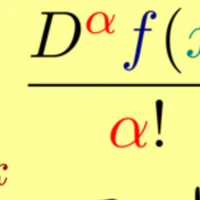
VeGaS: Video Gaussian Splatting
Implicit Neural Representations (INRs) employ neural networks to approximate discrete data as continuous functions. In the context of video data, such models can be utilized to transform the coordinates of pixel locations along with frame occurrence times (or indices) into RGB color values. Although INRs facilitate effective compression, they are unsuitable for editing purposes. One potential solution is to use a 3D Gaussian Splatting (3DGS) based model, such as the Video Gaussian Representation (VGR), which is capable of encoding video as a multitude of 3D Gaussians and is applicable for numerous video processing operations, including editing. Nevertheless, in this case, the capacity for modification is constrained to a limited set of basic transformations. To address this issue, we introduce the Video Gaussian Splatting (VeGaS) model, which enables realistic modifications of video data. To construct VeGaS, we propose a novel family of Folded-Gaussian distributions designed to capture nonlinear dynamics in a video stream and model consecutive frames by 2D Gaussians obtained as respective conditional distributions. Our experiments demonstrate that VeGaS outperforms state-of-the-art solutions in frame reconstruction tasks and allows realistic modifications of video data. The code is available at: https://github.com/gmum/VeGaS.


FlashI2V: Fourier-Guided Latent Shifting Prevents Conditional Image Leakage in Image-to-Video Generation
In Image-to-Video (I2V) generation, a video is created using an input image as the first-frame condition. Existing I2V methods concatenate the full information of the conditional image with noisy latents to achieve high fidelity. However, the denoisers in these methods tend to shortcut the conditional image, which is known as conditional image leakage, leading to performance degradation issues such as slow motion and color inconsistency. In this work, we further clarify that conditional image leakage leads to overfitting to in-domain data and decreases the performance in out-of-domain scenarios. Moreover, we introduce Fourier-Guided Latent Shifting I2V, named FlashI2V, to prevent conditional image leakage. Concretely, FlashI2V consists of: (1) Latent Shifting. We modify the source and target distributions of flow matching by subtracting the conditional image information from the noisy latents, thereby incorporating the condition implicitly. (2) Fourier Guidance. We use high-frequency magnitude features obtained by the Fourier Transform to accelerate convergence and enable the adjustment of detail levels in the generated video. Experimental results show that our method effectively overcomes conditional image leakage and achieves the best generalization and performance on out-of-domain data among various I2V paradigms. With only 1.3B parameters, FlashI2V achieves a dynamic degree score of 53.01 on Vbench-I2V, surpassing CogVideoX1.5-5B-I2V and Wan2.1-I2V-14B-480P. Github page: https://pku-yuangroup.github.io/FlashI2V/


Learning Truncated Causal History Model for Video Restoration
One key challenge to video restoration is to model the transition dynamics of video frames governed by motion. In this work, we propose TURTLE to learn the truncated causal history model for efficient and high-performing video restoration. Unlike traditional methods that process a range of contextual frames in parallel, TURTLE enhances efficiency by storing and summarizing a truncated history of the input frame latent representation into an evolving historical state. This is achieved through a sophisticated similarity-based retrieval mechanism that implicitly accounts for inter-frame motion and alignment. The causal design in TURTLE enables recurrence in inference through state-memorized historical features while allowing parallel training by sampling truncated video clips. We report new state-of-the-art results on a multitude of video restoration benchmark tasks, including video desnowing, nighttime video deraining, video raindrops and rain streak removal, video super-resolution, real-world and synthetic video deblurring, and blind video denoising while reducing the computational cost compared to existing best contextual methods on all these tasks.


BOLT: Boost Large Vision-Language Model Without Training for Long-form Video Understanding
Large video-language models (VLMs) have demonstrated promising progress in various video understanding tasks. However, their effectiveness in long-form video analysis is constrained by limited context windows. Traditional approaches, such as uniform frame sampling, often inevitably allocate resources to irrelevant content, diminishing their effectiveness in real-world scenarios. In this paper, we introduce BOLT, a method to BOost Large VLMs without additional Training through a comprehensive study of frame selection strategies. First, to enable a more realistic evaluation of VLMs in long-form video understanding, we propose a multi-source retrieval evaluation setting. Our findings reveal that uniform sampling performs poorly in noisy contexts, underscoring the importance of selecting the right frames. Second, we explore several frame selection strategies based on query-frame similarity and analyze their effectiveness at inference time. Our results show that inverse transform sampling yields the most significant performance improvement, increasing accuracy on the Video-MME benchmark from 53.8% to 56.1% and MLVU benchmark from 58.9% to 63.4%. Our code is available at https://github.com/sming256/BOLT.
SwinBERT: End-to-End Transformers with Sparse Attention for Video Captioning
The canonical approach to video captioning dictates a caption generation model to learn from offline-extracted dense video features. These feature extractors usually operate on video frames sampled at a fixed frame rate and are often trained on image/video understanding tasks, without adaption to video captioning data. In this work, we present SwinBERT, an end-to-end transformer-based model for video captioning, which takes video frame patches directly as inputs, and outputs a natural language description. Instead of leveraging multiple 2D/3D feature extractors, our method adopts a video transformer to encode spatial-temporal representations that can adapt to variable lengths of video input without dedicated design for different frame rates. Based on this model architecture, we show that video captioning can benefit significantly from more densely sampled video frames as opposed to previous successes with sparsely sampled video frames for video-and-language understanding tasks (e.g., video question answering). Moreover, to avoid the inherent redundancy in consecutive video frames, we propose adaptively learning a sparse attention mask and optimizing it for task-specific performance improvement through better long-range video sequence modeling. Through extensive experiments on 5 video captioning datasets, we show that SwinBERT achieves across-the-board performance improvements over previous methods, often by a large margin. The learned sparse attention masks in addition push the limit to new state of the arts, and can be transferred between different video lengths and between different datasets. Code is available at https://github.com/microsoft/SwinBERT

HNeRV: A Hybrid Neural Representation for Videos
Implicit neural representations store videos as neural networks and have performed well for various vision tasks such as video compression and denoising. With frame index or positional index as input, implicit representations (NeRV, E-NeRV, \etc) reconstruct video from fixed and content-agnostic embeddings. Such embedding largely limits the regression capacity and internal generalization for video interpolation. In this paper, we propose a Hybrid Neural Representation for Videos (HNeRV), where a learnable encoder generates content-adaptive embeddings, which act as the decoder input. Besides the input embedding, we introduce HNeRV blocks, which ensure model parameters are evenly distributed across the entire network, such that higher layers (layers near the output) can have more capacity to store high-resolution content and video details. With content-adaptive embeddings and re-designed architecture, HNeRV outperforms implicit methods in video regression tasks for both reconstruction quality (+4.7 PSNR) and convergence speed (16times faster), and shows better internal generalization. As a simple and efficient video representation, HNeRV also shows decoding advantages for speed, flexibility, and deployment, compared to traditional codecs~(H.264, H.265) and learning-based compression methods. Finally, we explore the effectiveness of HNeRV on downstream tasks such as video compression and video inpainting. We provide project page at https://haochen-rye.github.io/HNeRV, and Code at https://github.com/haochen-rye/HNeRV


VEnhancer: Generative Space-Time Enhancement for Video Generation
We present VEnhancer, a generative space-time enhancement framework that improves the existing text-to-video results by adding more details in spatial domain and synthetic detailed motion in temporal domain. Given a generated low-quality video, our approach can increase its spatial and temporal resolution simultaneously with arbitrary up-sampling space and time scales through a unified video diffusion model. Furthermore, VEnhancer effectively removes generated spatial artifacts and temporal flickering of generated videos. To achieve this, basing on a pretrained video diffusion model, we train a video ControlNet and inject it to the diffusion model as a condition on low frame-rate and low-resolution videos. To effectively train this video ControlNet, we design space-time data augmentation as well as video-aware conditioning. Benefiting from the above designs, VEnhancer yields to be stable during training and shares an elegant end-to-end training manner. Extensive experiments show that VEnhancer surpasses existing state-of-the-art video super-resolution and space-time super-resolution methods in enhancing AI-generated videos. Moreover, with VEnhancer, exisiting open-source state-of-the-art text-to-video method, VideoCrafter-2, reaches the top one in video generation benchmark -- VBench.



